This blog post delves into the origins debate between creationism and theistic evolution, featuring insights from various speakers on how they interpret Genesis, the compatibility of Darwinian evolution with Christian faith, and the evidence of design in nature. The discussion emphasizes the importance of understanding different perspectives while maintaining a focus on faith and the character of God as the Creator.
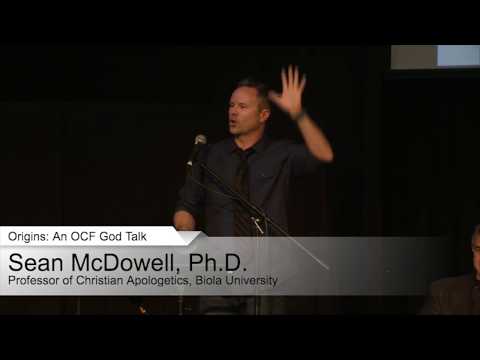
The origins debate between creationism and theistic evolution has been a topic of discussion for many years, particularly within Christian communities. This blog post summarizes a recent event hosted by Oceanside Christian Fellowship, where various speakers presented their views on how God created the world, the implications of Darwinian evolution, and the evidence of design in nature.
Chris Robbins, one of the pastors at Oceanside Christian Fellowship, opened the event by emphasizing the significance of understanding the origins of life. He noted that confusion between science and faith is one of the top reasons young people leave their faith, making it crucial for Christians to engage with these topics thoughtfully.
The speakers were asked to address three primary questions:
Dr. Randy Guliuzza, representing young earth creationism, argued that Genesis 1 and 2 should be interpreted as historical narratives. He emphasized that the text should be taken literally, asserting that God created the world in six 24-hour days. He pointed out that the clarity of Scripture is essential and that the biblical account provides a straightforward understanding of creation.
Dr. Fuz Rana, advocating for old earth creationism, presented a different interpretation. He suggested that the days in Genesis could represent longer periods of time, aligning with scientific evidence of an ancient universe. Rana emphasized that Genesis 1 is a historical account but should be understood in the context of its literary framework.
Dr. Katherine Applegate, representing theistic evolution, argued that the Genesis creation account is more about the who of creation rather than the how or how long. She highlighted the need to read Genesis with ancient eyes, acknowledging that the original audience had a different cosmological understanding. Applegate maintained that evolution, when viewed as a process guided by God, is compatible with Christian faith.
The speakers had differing views on the compatibility of Darwinian evolution with Christianity. Dr. Guliuzza argued that Darwinian evolution is a weak scientific theory and incompatible with the Christian faith, citing the lack of evidence for transitional forms and the idea that death is a curse, not a mechanism for evolution.
In contrast, Dr. Rana and Dr. Applegate suggested that evolution could be understood as a process that God uses to create life. They emphasized that evolution does not negate God's sovereignty or the divine purpose behind creation.
All speakers agreed that there is evidence of design in nature, but they interpreted it differently:
The origins debate is complex and multifaceted, with each perspective offering valuable insights into the relationship between faith and science. While the speakers held differing views on the interpretation of Genesis, the compatibility of evolution with Christianity, and the evidence of design, they all emphasized the importance of engaging with these questions thoughtfully and respectfully. Ultimately, the discussion serves as a reminder that faith and understanding can coexist, and that exploring these topics can lead to a deeper relationship with God as the Creator.