This blog post provides a comprehensive analysis of Merle Hodge's novel 'For the Life of Leticia' and Sylvia Plath's poem 'Mirror' alongside Mark McWatt's 'Ol' Higue'. It delves into the themes of poverty, depression, family relationships, and friendship, while also examining character development and narrative techniques used in the novel. Additionally, it compares the two poems, highlighting their themes and figurative devices.
Welcome to this exploration of Merle Hodge's novel For the Life of Leticia and the poems Mirror by Sylvia Plath and Ol' Higue by Mark McWatt. This post will provide a detailed analysis of the novel's themes, characters, and narrative techniques, as well as a comparison of the two poems.
For the Life of Leticia is set in 1993 Trinidad and follows the life of Leticia Johnson, a young girl whose life changes drastically when she moves from her home to live with her father in the city. The novel explores her growth and development as she navigates high school and her complex family dynamics.
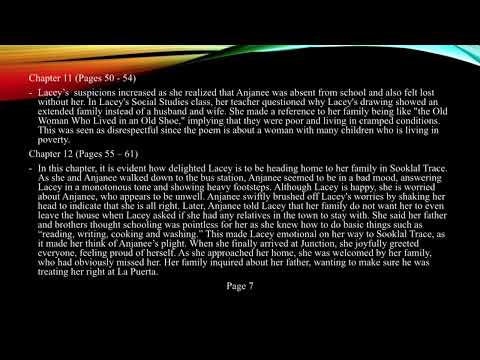
The novel begins by introducing Leticia's strained relationship with her father, Mr. Cephas, and her grandmother, Ma. Leticia's academic achievements are highlighted as she is accepted into a government secondary school. The tension between her and her father is evident, particularly in Chapter 2, where Leticia reflects on her limited interactions with him.
As the story progresses, we see Leticia's struggles with her identity and her place within her family. The introduction of her mother, Mommy Patsy, who lives in New York, adds another layer to Leticia's emotional landscape. The narrative continues to unfold through various chapters, each revealing more about Leticia's relationships with her family members and classmates.
Poverty is a central theme in the novel, illustrated through Leticia's and her friend Anjani's experiences. Leticia describes her neighborhood, where people draw water from barrels and struggle to make ends meet. Anjani's embarrassment over her simple lunch and her worn clothing further emphasize the impact of poverty on their lives.
Both Leticia and Anjani exhibit signs of depression throughout the novel. Leticia's emotional struggles culminate in Chapter 46 when she is hospitalized and returns home feeling detached from her usual self. Anjani's situation worsens as she faces overwhelming responsibilities at home, leading to her tragic demise.
The novel intricately explores family dynamics, particularly the strained relationship between Leticia and her father. Mr. Cephas's absence during Leticia's upbringing creates tension, and his attempts to assert control over her life lead to conflict. Similarly, Anjani's family dismisses her aspirations, expecting her to conform to traditional gender roles.
The bond between Leticia and Anjani is a significant aspect of the narrative. Their friendship provides a safe space for Leticia to express her thoughts and feelings, highlighting the importance of companionship in navigating life's challenges.
Hodge employs various narrative techniques to enhance the storytelling. Foreshadowing is evident when Ma questions Mr. Cephas's intentions regarding Leticia's move, hinting at future conflicts. Backstory is also utilized, particularly in Miss Velma's reflections on her past, which provide context for her current situation.
Characterization plays a crucial role in the novel, with each character's development reflecting their struggles and growth. For instance, Anjani is portrayed as a jovial yet burdened individual, showcasing the complexities of her character.
In Mirror, the speaker, an elderly woman, confronts her reflection and the passage of time. The poem explores themes of aging, identity, and mental health. Plath uses visual imagery and personification to convey the woman's internal struggle with her self-image and the inevitability of aging.
Ol' Higue presents a supernatural figure who grapples with her existence and societal perceptions. The poem draws on Caribbean folklore, exploring themes of fear and the supernatural. McWatt's use of simile and rhetorical questions enhances the emotional depth of the speaker's plight.
Both Mirror and Ol' Higue utilize the first-person point of view, allowing readers to connect intimately with the speakers. However, while Mirror focuses on the themes of aging and identity, Ol' Higue delves into the supernatural and societal fears.
For the Life of Leticia offers a poignant exploration of the challenges faced by young individuals in a complex socio-economic landscape. Through its rich themes and character development, the novel resonates with readers, while the selected poems provide additional layers of understanding regarding identity and societal expectations. This analysis highlights the interconnectedness of literature in addressing universal human experiences.