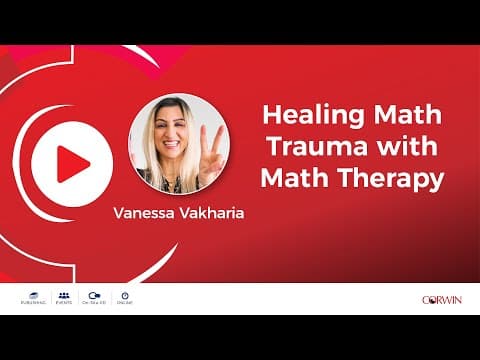
This blog post explores the concept of math trauma and how to heal it through a structured framework called math therapy. It discusses the impact of negative math experiences, the importance of belief in students' abilities, and provides actionable steps for educators to help students build a positive relationship with math.
In today's educational landscape, the stigma surrounding math can lead to significant anxiety and trauma for students. Vanessa Varia, known as the Lady Gaga of math education, has dedicated her career to changing the narrative around math through her work at the Math Guru tutoring studio in Toronto, her podcast, and her recently published book, "Math Therapy." This blog post delves into the concept of math trauma, its effects, and a structured approach to healing it through math therapy.
Math trauma refers to negative experiences with math that linger long after the event has passed. It is not merely a single event but rather the emotional impact of that event. For instance, two students may take the same math test, but one may leave feeling accomplished while the other feels defeated. This difference in perception can lead to long-lasting trauma.
While math anxiety is an outward manifestation of math trauma, it is essential to recognize that trauma can stem from various sources, including:
These experiences can create a belief that one is inherently bad at math, leading to a cycle of avoidance and anxiety.
Vanessa outlines a five-step framework for math therapy designed to help students heal their relationship with math. The steps are:
The first step involves dispelling the myths surrounding math ability. Many students believe they are either "math people" or "not math people." Educators must instill a growth mindset, emphasizing that everyone can improve their math skills with effort and practice. This belief can be transformative, allowing students to see math as a skill they can develop rather than an innate talent.
In this step, educators should create a safe space for students to express their feelings about math. Activities such as writing letters to math or graphing their emotional relationship with math can help students articulate their experiences. Understanding these feelings allows educators to address specific triggers and provide support.
Motivation is crucial for students who feel disconnected from math. Educators can help students find relevance in math by connecting it to their interests and real-life applications. For example, discussing how math skills can aid in budgeting or planning can make the subject more engaging.
This step focuses on helping students reframe their internal narratives about math. By encouraging students to replace negative thoughts with more empowering ones, educators can help them build a more positive self-image. For instance, changing the thought "I am not a math person" to "I am learning how to be better at math" can open new possibilities for students.
Finally, measuring progress should not solely rely on grades. Educators should celebrate small victories and encourage students to reflect on their growth. Activities that highlight students' thinking processes, rather than just the final answers, can foster a deeper appreciation for math.
The journey to healing math trauma is essential for fostering a positive relationship with math among students. By implementing the math therapy framework, educators can empower students to overcome their fears and anxieties surrounding math. As Vanessa Varia emphasizes, believing in every student's potential to improve is a powerful tool in transforming their educational experience. Through understanding, support, and encouragement, we can help students not only succeed in math but also build confidence in their abilities to tackle challenges in all areas of life.