Mastering Chess: The Ultimate Thinking Algorithm for Adult Improvers
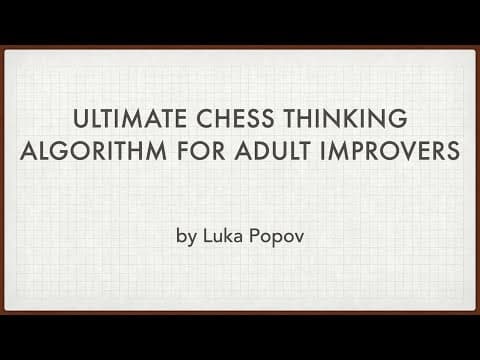
This blog post outlines a comprehensive chess thinking algorithm designed for adult players looking to improve their game. It emphasizes the importance of understanding consequences, tactical awareness, and strategic planning through a structured three-step process.
Chess is a game of strategy, patience, and deep thinking. For adult players looking to enhance their skills, understanding a structured approach to thinking during a game can be transformative. This blog post presents a comprehensive chess thinking algorithm based on personal experience and research, aimed at helping adult chess improvers elevate their game.
The chess thinking algorithm is a systematic approach that guides players through the decision-making process during a game. It is designed to help players analyze their moves critically and understand the implications of their decisions. This method is particularly beneficial for adult players who may have different learning styles compared to younger players.
Step 1: Analyze Consequences of Moves
The first step in the algorithm is to evaluate the consequences of potential moves. Before making a move, players should ask themselves:
- What will happen if I make this move?
- How will my opponent respond?
- What are the risks involved?
By considering these questions, players can avoid common pitfalls and make more informed decisions. This step emphasizes the importance of foresight in chess, allowing players to anticipate their opponent's reactions and plan accordingly.
Step 2: Tactical Awareness
Once players have analyzed the consequences of their moves, the next step is to focus on tactical awareness. This involves:
- Identifying tactical opportunities such as forks, pins, and skewers.
- Understanding the positioning of pieces and how they can be used to create threats.
- Keeping track of the opponent's pieces and their potential moves.
Players should develop a habit of looking for tactical patterns on the board. This awareness can significantly enhance their ability to capitalize on their opponent's mistakes and create winning opportunities.
Step 3: Strategic Planning
The final step in the algorithm is to formulate a strategic plan. This involves:
- Setting long-term goals for the game, such as controlling the center or preparing for an endgame.
- Evaluating the strengths and weaknesses of both players' positions.
- Adjusting the strategy based on the evolving dynamics of the game.
Strategic planning requires players to think several moves ahead and consider how their current actions will affect the overall game. This holistic view is crucial for success in chess.
Conclusion
The chess thinking algorithm provides a structured framework for adult players to improve their game. By focusing on the consequences of moves, enhancing tactical awareness, and developing strategic plans, players can elevate their chess skills significantly. This method not only helps in making better decisions during games but also fosters a deeper understanding of chess as a whole.