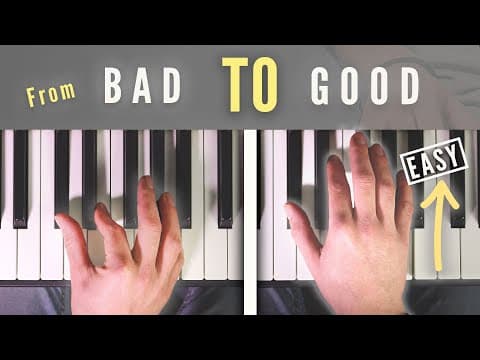
Good hand placement is crucial for beginners learning to play the piano. This article explores how proper positioning can enhance playability, reduce awkward movements, and improve overall performance. Key tips include maintaining a relaxed hand position, adjusting for different chord shapes, and ensuring smooth transitions between notes.
Learning to play the piano can be a rewarding yet challenging experience, especially for beginners. One of the most significant factors that can influence your ability to play effectively is hand placement. In this article, we will explore how good hand placement can be a game changer for beginners, making it easier to reach notes and play with confidence.
Good hand placement is fundamentally about positioning your hands in a way that allows for natural movement and ease of access to the keys. Just as you would adjust your position to reach for an object on a shelf, you should also adjust your hand position when playing the piano.
Many beginners struggle with pieces that seem within their skill level but feel difficult to play. Often, the root of the problem lies in improper hand placement. By positioning your hands correctly, you can significantly reduce the awkwardness and difficulty of reaching the notes you need to play.
A good hand position involves keeping your wrist and forearm straight behind your hand. Avoid twisting your wrist awkwardly, as this can restrict movement and make it harder to reach the keys.
Your fingers should be slightly curved, allowing for a more natural and relaxed playing style. This position not only improves technique but also brings your thumb closer to your other fingers, facilitating easier transitions between notes.
Many beginners make the mistake of holding their hands too low or too far back from the keys. This can lead to awkward finger movements and difficulty reaching certain notes, especially black keys. Instead, keep your hands elevated over the keys to allow for a more comfortable playing position.
When playing chords, it’s essential to picture your hand in the correct position before you play. For example, when playing a C major chord, ensure your thumb is positioned comfortably on the keys, allowing your fingers to remain curved and ready to play.
For chords that require a wider hand span, such as seventh chords, you may need to flatten your fingers slightly to reach all the notes comfortably. Always ensure your hand is positioned forward enough to allow your thumb to reach the necessary keys without strain.
When playing scales, particularly those that include black keys, it’s crucial to adjust your hand position as you move through the notes. For instance, when playing the G major scale, ensure your hand is deeper in to comfortably reach the F-sharp without awkward adjustments.
As you play melodies or broken chords, think ahead about your hand position. For example, when transitioning to a high note, ensure your hand is already positioned to reach it comfortably. This foresight will help you avoid awkward movements and maintain a smooth playing style.
Good hand placement is a vital skill for beginners learning to play the piano. By focusing on proper positioning, maintaining a relaxed hand, and anticipating movements, you can significantly improve your playing experience. Remember, practice makes perfect, and with time, you will find the sweet spot for every moment at the piano. If you have any questions or need further clarification, feel free to reach out in the comments. Happy playing!