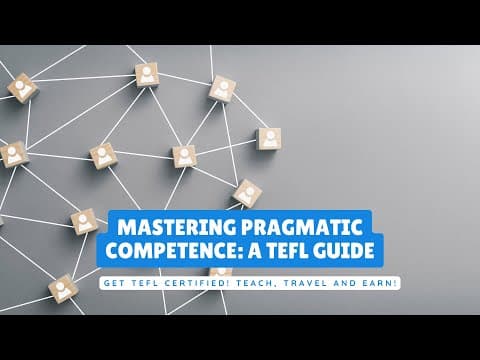
Pragmatic competence is essential for effective communication in language learning, going beyond grammar and vocabulary. This guide explores strategies for developing pragmatic competence in the classroom, including roleplay, analyzing authentic materials, and incorporating cultural studies.
Have you ever found yourself struggling to understand someone speaking your language, even when their grammar and vocabulary are flawless? This phenomenon can often be attributed to a concept known as pragmatic competence. Pragmatic competence is a fundamental aspect of language learning that transcends the literal meanings of words.
Imagine language as a puzzle; each word is a piece, but understanding how those pieces fit together within the surrounding context, social norms, and cultural backgrounds is where pragmatic competence comes into play. It involves interpreting and using language appropriately in various situations. For example, the phrase "could you possibly" is more polite than "can you," even though both are grammatically correct.
Pragmatic competence acts as the secret sauce that makes communication effective, unlocking the nuances and subtleties of a language. While grammar and vocabulary are crucial, without pragmatic competence, communication can fall flat.
Now that we understand what pragmatic competence is, the next question is: how can we develop it in our classrooms? There is no one-size-fits-all strategy, but a blend of approaches can be very effective. Here are some strategies to consider:
One of the most engaging ways to enhance pragmatic competence is through roleplay activities. By immersing students in diverse social scenarios, they can practice and refine their language use according to context. For instance, students can roleplay situations such as ordering food in a restaurant or negotiating a business deal. This hands-on approach helps them understand how language varies depending on the context.
Incorporating authentic materials like films or music can be invaluable in teaching pragmatic competence. These resources expose learners to real-life language in action, providing a rich tapestry of pragmatics to analyze and learn from. For example, a film scene can spark discussions about why characters speak the way they do, considering factors like their relationships, the situation, and their intentions.
Understanding a language's culture is key to grasping its pragmatics. By exploring cultural norms, values, and customs, learners can better understand the underlying nuances that influence language use. The goal here is not to memorize rules but to become adaptable communicators. Exposure to a variety of contexts and scenarios will help learners develop a robust pragmatic competence.
Are you ready to put pragmatic competence into practice? Here are some activities you can implement in your classroom:
Roleplaying Different Social Situations
Create a variety of scenarios for your students to act out. This could range from ordering food in a restaurant to negotiating a business deal. Such activities will help students understand how language use varies depending on the context.
Analyzing Dialogues in Films or TV Shows
This can be a fun way to expose students to real-life examples of language use. They can study how characters interact and discuss the pragmatic choices they make, enhancing their understanding of effective communication.
Discussing Cultural Differences in Communication Styles
This activity can help students understand how pragmatic rules can vary from culture to culture. Discussing why certain phrases or expressions may be appropriate in one context but not in another can deepen their understanding of language use.
By incorporating these activities into your lessons, you can help your students become not just fluent speakers but effective communicators. Remember, teaching pragmatic competence isn't about imparting rigid rules; it's about fostering flexibility and adaptability in communication.