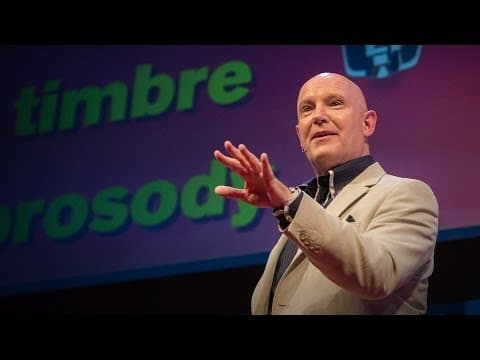
This blog post explores the key principles of effective speaking as outlined by Julian Treasure in his TED talk. It discusses the seven deadly sins of speaking that hinder communication and presents the four cornerstones of powerful speech: honesty, authenticity, integrity, and love. Additionally, it provides practical tips on voice modulation techniques to enhance speaking effectiveness.
The human voice is a powerful instrument, capable of evoking emotions, starting wars, or expressing love. Yet, many people find that when they speak, others do not listen. This raises the question: how can we speak powerfully to effect change in the world? In his TED talk, Julian Treasure identifies common speaking habits that undermine effective communication and offers strategies to improve our speaking skills.
Treasure outlines seven detrimental habits, referred to as the seven deadly sins of speaking, that we should strive to avoid:
Gossip: Speaking ill of someone who is not present is not only unkind but also creates an atmosphere of distrust. If someone gossips about others, they will likely gossip about you too.
Judging: Conversations can become uncomfortable when one party feels judged. It is challenging to listen to someone who is critical of you.
Negativity: A negative outlook can be draining. Treasure shares a personal anecdote about his mother, who became increasingly negative, making it hard for him to engage in conversation.
Complaining: Often seen as a cultural norm, especially in the UK, complaining spreads negativity rather than positivity. It is essential to recognize that complaining is a form of viral misery.
Excuses: People who constantly make excuses and blame others for their problems are difficult to listen to. Taking responsibility for one’s actions is crucial for effective communication.
Embroidery (Exaggeration): Exaggerating facts can diminish the credibility of our speech. If everything is described as "awesome," the term loses its meaning.
Dogmatism: Confusing facts with opinions leads to ineffective communication. When opinions are presented as absolute truths, it becomes challenging for listeners to engage meaningfully.
To counteract these negative habits, Treasure proposes four foundational principles that can enhance our speaking abilities. These principles spell the word "hail," which means to greet or acclaim enthusiastically:
Treasure emphasizes that effective speaking is not just about what you say but also how you say it. He introduces several vocal techniques that can enhance the power of your speech:
Treasure shares practical vocal warm-up exercises to prepare for important speaking engagements. These exercises include:
These warm-ups help activate the voice and prepare speakers for effective communication.
Treasure concludes by highlighting the current state of communication, where many speak ineffectively in noisy environments. He envisions a world where people communicate powerfully and consciously, fostering understanding and connection. By adopting the principles of honesty, authenticity, integrity, and love, and utilizing vocal techniques, we can transform our speaking abilities and create a more harmonious world.
In summary, mastering the art of speaking is essential for making meaningful connections and effecting change. By avoiding the seven deadly sins of speaking and embracing the four cornerstones, we can ensure that our voices are heard and valued.