This blog post explores the profound changes in New Orleans' education system following Hurricane Katrina, highlighting personal stories of students and families affected by the disaster, the transition to charter schools, and the ongoing challenges and successes in the city's schools.
Hurricane Katrina, which struck New Orleans in 2005, left an indelible mark on the city and its residents, particularly the children. This blog post delves into the experiences of several young individuals who faced the aftermath of the storm, the changes in their education system, and the long-term effects on their lives.
When Hurricane Katrina approached, Jamal Preston was just eight years old. His family evacuated to Shreveport, Louisiana, where they watched the devastation unfold on television. The floodwaters breached the levees, submerging his neighborhood in the Lower Ninth Ward. Jamal recalls the fear he felt, stating, "scared isn't the word; try scared times maybe 20. I was terrified."
Similarly, Daniel Bros and Aaron Lockley experienced the trauma of losing their homes. Daniel visited his old house after the storm and found it nearly vanished, which left him with a sense of trauma. Aaron's family sought refuge in St. Mary's Parish, where they lived with many relatives in a cramped space.
The aftermath of Katrina forced thousands of families to find new schools and friends. Jamal moved to Dallas, where he encountered a different educational environment. He noted the cultural shock of being one of the few Black students in his class, contrasting it with his previous experiences in New Orleans.
When the Lockley children returned to New Orleans, they found a city and school system that had changed drastically. Out of 126 schools in the district, 110 suffered damage from the storm. The pre-Katrina school system was already struggling, with New Orleans Parish School Board overseeing some of the worst-performing schools in the country.
In response to the devastation, the state created the Recovery School District (RSD) to take control of the failing schools. This initiative aimed to reform the educational landscape by transitioning many schools to charter management organizations. This shift was seen by some as a bold initiative, while others criticized it as overreach.
The RSD allowed for more autonomy in schools, enabling educators to focus on specific needs rather than adhering to a centralized curriculum. This flexibility was crucial for schools to address the unique challenges they faced post-Katrina.
For parents like Angela Lockley, the changes meant more choices for their children’s education. Angela researched various charter schools and was impressed by the focus on her daughter Erin's emotional well-being during the interview process. This emphasis on mental health was a significant departure from traditional educational practices.
Jamal, on the other hand, was reluctant to leave his school in Dallas but ultimately returned to New Orleans, where he found a supportive environment at Dr. King Charter School. He appreciated the close-knit community and the personal attention from teachers.
Daniel Bros struggled to remember the name of his first school after returning to New Orleans, but he found a home at KIPP school, which emphasized teamwork and family. The supportive atmosphere helped him thrive academically and personally.
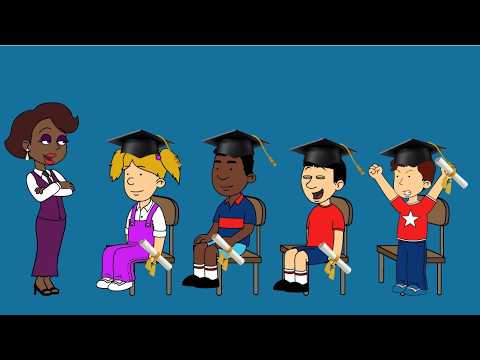
Ten years after the storm, all three students—Jamal, Daniel, and Erin—graduated and prepared for college. Daniel was accepted into LSU to study mechanical engineering, while Jamal received a scholarship to Grinnell College in Iowa. Erin, the salutatorian at Cohen College Prep High School, planned to attend Beloit College in Wisconsin.
The journey of these students illustrates the resilience of the human spirit and the potential for positive change in the face of adversity. While the education system in New Orleans is not perfect, the reforms initiated after Hurricane Katrina have provided new opportunities for students. As they move forward, they carry with them the lessons learned from their experiences and the hope for a brighter future.
In the next part of this series, we will explore more success stories from New Orleans' students and the ongoing challenges they face in their educational journeys.