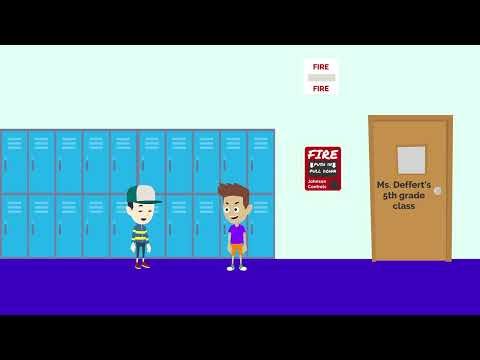
This blog post discusses the inappropriate encouragement of using the word 'retarded' by a student, the implications of such language, and the importance of understanding the impact of words on individuals with disabilities.
In a recent incident at a school, a student named Mitchell was reprimanded for encouraging a preschooler, Oscar, to use the word "retarded" in a humorous context. This situation highlights the serious implications of using derogatory language, especially in educational environments where young minds are impressionable.
The exchange began with Mitchell instructing Oscar to use the word "retarded" whenever he encountered a problem. Mitchell claimed that it was a fun word that could make people laugh. For instance, he suggested Oscar could say, "I can't get this retarded laptop to turn on!" This led to laughter between the two, reinforcing the idea that the word was acceptable in casual conversation.
Oscar, unaware of the word's offensive nature, repeated it enthusiastically, calling a marker "retarded" and laughing. However, this playful banter caught the attention of a teacher, who promptly reported the incident to Principal Uriah.
Principal Uriah addressed Mitchell sternly, emphasizing the offensive nature of the word "retarded." He explained that it is an insulting term used against individuals with mental disabilities and that using such language is unacceptable in any context, especially in a school setting. The principal pointed out that teaching a preschooler to use this word as a curse was not only inappropriate but also harmful.
Uriah made it clear that the R word is as offensive as any other slur related to disabilities or ethnicity. He stressed the importance of language and how it can hurt individuals, particularly those with disabilities. The principal instructed Mitchell to watch educational videos about the impact of derogatory language and to write an apology note to Oscar.
This incident serves as a crucial reminder of the responsibility that older students have in their interactions with younger peers. Language shapes our understanding of the world and influences how we treat others. Teaching children to use derogatory terms, even in jest, can normalize harmful attitudes and perpetuate stigma against individuals with disabilities.
Words carry weight, and the implications of using slurs can be far-reaching. The term "retarded" has a history of being used to demean and dehumanize individuals with intellectual disabilities. By normalizing its use, we risk perpetuating a culture of exclusion and discrimination.
Educators play a vital role in guiding students toward understanding the impact of their words. It is essential for schools to foster an environment where respectful language is the norm. Additionally, peers must hold each other accountable, ensuring that harmful language is challenged rather than accepted.
The incident involving Mitchell and Oscar underscores the need for awareness and education regarding language use in schools. It is imperative that students understand the consequences of their words and the importance of fostering an inclusive environment. By addressing these issues head-on, we can work towards a more respectful and understanding society, where all individuals are valued and treated with dignity.