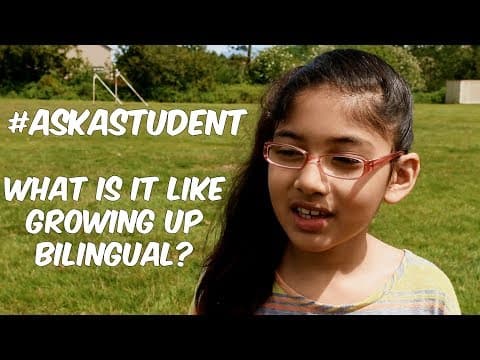
Growing up bilingual presents unique challenges and rewards, as individuals navigate different languages in various environments. This blog post explores personal experiences of learning multiple languages, the difficulties faced, and the pride that comes with bilingualism.
Bilingualism refers to the ability to speak two languages fluently. For many, this means speaking one language at home and another at school. For instance, a child might speak Spanish with their family while using English in an educational setting. This duality can enrich communication but also presents challenges.
Learning two languages from a young age can be daunting. One individual shared their experience of starting preschool, where they had to learn English. The challenge was compounded by the fact that some teachers did not understand Spanish, making it difficult to communicate and learn effectively.
In first grade, the struggle continued. The child described how reading books in English while trying to grasp the language was hard. They recalled feeling overwhelmed, especially when teachers communicated solely in English. This situation was not unique; many bilingual children face similar hurdles when transitioning to an English-speaking environment.
Another individual recounted their experience of moving to the United States without knowing any English. The transition was tough, and they decided to take on the additional challenge of learning French while attending English as a Second Language (ESL) classes. This decision, while ambitious, added to the complexity of their language learning journey.
Teachers play a crucial role in the language acquisition process. In kindergarten, the individual struggled to understand directions given in English, as their background was primarily in Spanish. This disconnect highlighted the importance of supportive educators who can bridge the gap for bilingual students.
As bilingual individuals grow, they often grapple with their cultural identity. One participant emphasized the significance of maintaining one's native language and culture. They noted that many children feel ashamed of their bilingualism, which should not be the case. Embracing multiple languages and cultures is a source of pride and should be celebrated.
Despite the challenges, many bilingual individuals express pride in their ability to communicate in multiple languages. They recognize that being bilingual is not just about language; it encompasses the richness of different cultures, traditions, and cuisines. This pride can also translate into practical benefits, such as increased job opportunities in a globalized world.
For those hesitant about learning a new language, the message is clear: go for it! The journey may be challenging, but the rewards are significant. Bilingual individuals encourage others to persist in their language learning endeavors, emphasizing that with time and practice, fluency can be achieved.
Growing up bilingual is a journey filled with both challenges and triumphs. While the path may be difficult, the ability to speak multiple languages opens doors to new opportunities and fosters a deeper understanding of diverse cultures. Embracing bilingualism is not just about communication; it is about celebrating one's identity and heritage.
In the end, the message is simple: keep trying, stay proud, and enjoy the journey of learning and growing in multiple languages.