This blog post explores the evolution of learning environments in full-day kindergarten, emphasizing the importance of intentional design, the impact of colors, and the role of provocations in fostering student engagement and learning. Tracy Sims and Cheryl Emmerich share their insights and experiences from five years of teaching together, highlighting the significance of creating spaces that amplify student learning rather than merely decorating them.
In a recent session moderated by Susan Watt, educators Tracy Sims and Cheryl Emmerich shared their insights on creating effective learning environments in full-day kindergarten. With five years of collaborative teaching experience, they emphasized the importance of intentional design in classrooms to enhance student learning.
Tracy and Cheryl began by reflecting on their journey in kindergarten education, noting how their understanding of classroom environments has evolved. They highlighted that many educators make changes to their classrooms without a clear rationale, which can lead to superficial adjustments rather than meaningful improvements.
Research has shown that colors in a classroom can significantly affect children's emotions and behaviors. For instance, certain colors can create a calming atmosphere, while others may energize students. Tracy and Cheryl referenced the work of Lisa Berman, who noted that environments influence how children feel and behave. They stressed that the goal should not be to create an overly stimulating environment but rather to design spaces that foster excitement for learning through interaction with materials, not just through colorful decorations.
The educators shared a powerful quote: "We are not decorating learning spaces; we are designing them to amplify student learning." This perspective guided their approach to classroom design, focusing on creating environments that support and enhance learning rather than merely looking attractive.
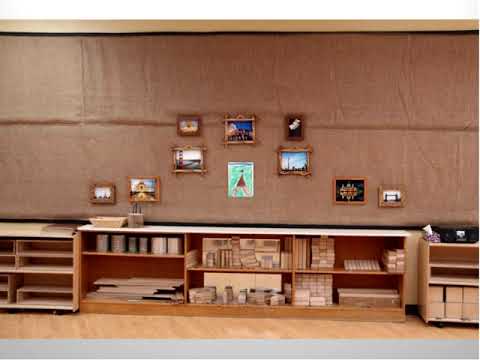
Tracy and Cheryl recalled their initial classroom setup, which was filled with busy borders and vibrant colors. They received feedback from parents who found the environment overwhelming. This prompted them to rethink their approach, opting for more neutral colors that create a nurturing and calming atmosphere. They aimed to make student work the focal point of the classroom, allowing it to provide the color and vibrancy needed.
A significant aspect of their teaching philosophy is the idea that less is more when it comes to classroom materials. They emphasized the importance of teaching children how to use and respect materials, especially those that are delicate or require careful handling. By taking the time to establish routines and expectations, they found that children became more capable and engaged in their learning.
Tracy and Cheryl implemented a strategy where they split the class into smaller groups, allowing for focused lessons on specific materials and areas in the classroom. This approach not only helped children learn how to interact with materials but also fostered deeper thinking and play.
Provocations are intentional setups that invite children to explore and engage with materials. Tracy and Cheryl discussed the importance of balancing different types of provocations in the classroom. They categorized provocations into three types:
They noted that too many complex provocations can overwhelm children, so it is crucial to maintain a balance and adjust provocations based on children's interests and needs.
Tracy and Cheryl also highlighted the significance of outdoor learning environments. They discussed how outdoor spaces can support children's well-being and self-regulation, aligning with the new curriculum's emphasis on the importance of nature in education.
The session concluded with a call for educators to reflect on their own classroom environments and consider how they can create spaces that truly support student learning. Tracy and Cheryl encouraged participants to involve children in the design process, ensuring that their voices are heard and their needs are met.
By focusing on intentional design, understanding the impact of colors, and thoughtfully utilizing materials, educators can transform their classrooms into vibrant learning environments that foster curiosity and engagement among young learners.