This blog post provides an overview of Accounting Information Systems (AIS), emphasizing its theoretical nature, the importance of understanding concepts over memorization, and the interconnectedness of systems. It highlights the role of technology, the significance of AIS in auditing, and offers study tips for success in the course.
Welcome to the world of Accounting Information Systems (AIS). This blog post aims to provide a thorough understanding of AIS, its components, and how to effectively study for this unique course. Unlike traditional accounting courses that focus heavily on numerical calculations, AIS emphasizes theoretical concepts and systems integration.
Accounting Information Systems is a course designed to help students understand the processes and tools used in accounting. At its core, AIS is not numerically based; instead, it focuses on the theoretical aspects of how accounting systems operate. This course will guide you through the interconnected tasks that lead to the creation of financial statements for external users.
Unlike courses such as intermediate accounting, tax, or cost accounting, which are driven by numbers and calculations, AIS is centered around concepts and understanding how these concepts interlink. Students will learn to view accounting transactions as part of a larger system rather than isolated events.
AIS is fundamentally about understanding systems. This means recognizing how various tasks and processes come together to form a cohesive accounting system. For example, when analyzing a revenue transaction, students must consider how this transaction impacts the entire AIS, from data entry to financial reporting.
While technology plays a significant role in AIS, it is essential to understand that it is just one component of the system. AIS encompasses both technological tools and traditional methods, such as pen and paper. For instance, even in a digital age, some transactions may still involve physical checks and manual processes. Therefore, students should not view AIS solely through a technological lens.
One of the most critical pieces of advice for studying AIS is to prioritize understanding over memorization. Many students fall into the trap of trying to memorize definitions and key terms without grasping their broader implications. Instead, aim to understand how each term fits into the overall system. For example, understanding what data is and how it transforms into information is more valuable than simply memorizing its definition.
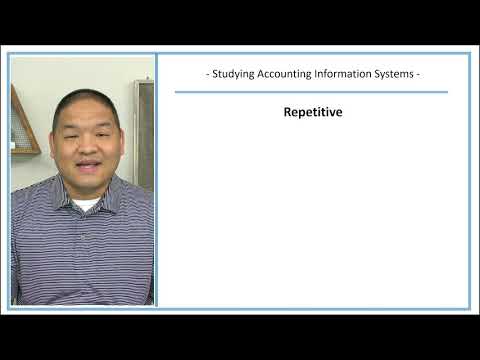
Students will notice a significant amount of repetition throughout the course. This repetition is intentional, as it reinforces the interconnectedness of the AIS. Concepts introduced in one section will often reappear in later sections, helping to solidify understanding and create a comprehensive view of the system.
AIS serves as a foundational course for those planning to take auditing classes. Understanding how accounting systems function will enhance your ability to audit effectively. Students should recognize that auditing involves assessing the processes and systems in place, not just the numbers on financial statements.
In summary, Accounting Information Systems is a unique course that requires a shift in perspective from traditional accounting methods. By focusing on understanding concepts, embracing the interconnectedness of systems, and recognizing the role of technology, students can navigate this course successfully. As you prepare for your studies, remember that the goal is to comprehend how each component fits into the larger picture of accounting.
Stay tuned for the next lesson, where we will build on this foundational knowledge and delve deeper into the world of Accounting Information Systems.