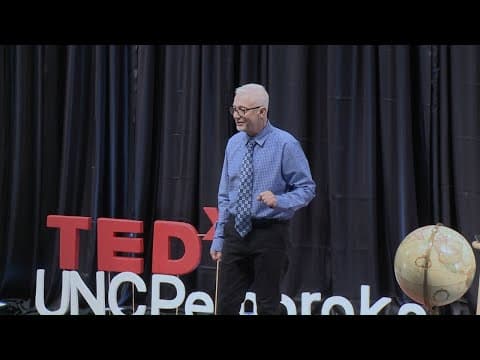
This blog post explores the concept of globalization as presented by Charles Beem in his TEDx talk, emphasizing its historical significance, the role of human capital, and the importance of a cosmopolitan spirit in fostering global interconnectedness.
In a world that often feels divided, the concept of globalization emerges as a beacon of hope for many. Charles Beem, in his TEDx talk, delves into the essence of globalization, its historical roots, and its potential to create a better world. He emphasizes the importance of human connection and the shared responsibility we have in fostering a globally interconnected society.
Beem begins by reflecting on his mission to make the world a better place, a sentiment that resonates with philosophers throughout history. From Confucius to modern artists like Bob Dylan and Beyoncé, the quest for improvement has been a timeless endeavor. Beem's approach starts with small acts of kindness, suggesting that even the simplest gestures can contribute to a larger goal of global betterment.
For over 25 years, Beem has taught a course on World Civilizations, covering 4,500 years of history in just 15 weeks. He noticed that the textbooks he relied on had become prohibitively expensive, prompting him to write his own. Through this endeavor, he has developed a wealth of ideas about how civilizations evolved from isolated societies to a globally interconnected world.
Beem argues that globalization is often misunderstood. The term is frequently associated with negative connotations such as predatory capitalism, imperialism, and environmental degradation. However, he redefines globalization as the processes that bring people closer together, emphasizing that it should be viewed positively.
At the heart of globalization, Beem identifies human capital as the driving force. Human capital refers to the productivity and resourcefulness of individuals. He illustrates this concept with the example of Robinson Crusoe, a solitary figure who, when combined with others, can lead to exponential advancements in sophistication and technology.
Beem shares a historical anecdote about the invention of gunpowder in China, which initially served as a source of entertainment. It was through the Silk Roads that this technology spread, leading to significant advancements in warfare and trade. This example highlights how interconnectedness can lead to the sharing of ideas and innovations across cultures.
Another crucial element of globalization, according to Beem, is the cosmopolitan spirit. This spirit embodies a willingness to engage with and learn from diverse cultures. It has facilitated the emergence of universal religions and global trade systems, allowing for a rich exchange of ideas and goods.
Beem draws parallels between historical advancements and modern technology, such as the evolution of communication from a single landline telephone to the multifunctional smartphones we use today. This transformation exemplifies how globalization enhances our lives by making information and connections more accessible.
Beem acknowledges the pressing global issues we face today, including climate change, pandemics, and geopolitical tensions. He argues that the solution lies in continued collaboration and the pooling of human capital. The rapid development of COVID-19 vaccines serves as a testament to the power of global cooperation, showcasing how collective efforts can save millions of lives.
In conclusion, Charles Beem's insights into globalization encourage us to embrace our interconnectedness and work towards a better future. By fostering a cosmopolitan spirit and recognizing the value of human capital, we can address global challenges and create a more harmonious world. Beem's call to action is simple yet profound: be kind to one another and contribute to the collective effort of making the world a better place.