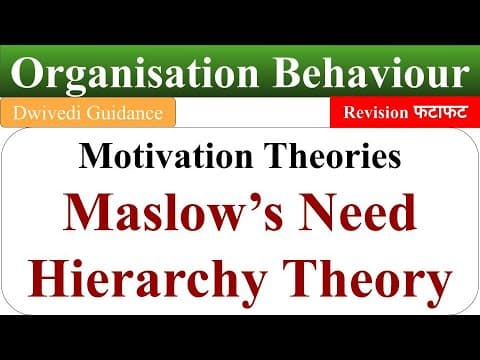
This blog post explores Maslow's Hierarchy of Needs, detailing how human motivation is influenced by a structured set of needs ranging from basic physiological requirements to self-actualization, and how these needs impact personal and professional growth.
Maslow's Hierarchy of Needs is a psychological theory proposed by Abraham Maslow, an American psychologist, which outlines the stages of human motivation based on a hierarchy of needs. This theory suggests that human motivation is dependent on the fulfillment of certain needs, which can be categorized into five distinct levels.
The foundation of Maslow's hierarchy consists of physiological needs, which are the basic requirements for human survival. These include necessities such as food, water, warmth, and rest. Without these fundamental needs being met, individuals are primarily motivated to fulfill them before they can focus on higher-level needs.
Once physiological needs are satisfied, individuals seek safety and security. This encompasses physical safety, financial security, health, and well-being. People are motivated to ensure that they have a stable environment, free from threats and dangers. For instance, having a secure job and a safe living environment are crucial for fulfilling safety needs.
After achieving safety, individuals strive for social connections. This level includes the need for relationships, love, and a sense of belonging. Family, friendships, and intimate relationships play a significant role in fulfilling these needs. When social connections are strong, individuals feel more motivated and supported in their endeavors.
The fourth level of Maslow's hierarchy involves esteem needs, which are related to self-esteem and the esteem one receives from others. This includes the desire for recognition, respect, and a sense of accomplishment. Achievements in the workplace, such as promotions or awards, can fulfill these esteem needs, motivating individuals to perform better and strive for excellence.
At the top of the hierarchy is self-actualization, which refers to the realization of an individual's potential and self-fulfillment. This involves pursuing personal growth, creativity, and achieving personal goals. Individuals motivated by self-actualization seek to become the best version of themselves and often engage in activities that promote personal development.
Maslow's theory emphasizes that these needs are interdependent. For example, if an individual is struggling to meet their physiological needs, they will be less motivated to pursue safety, social connections, esteem, or self-actualization. Conversely, once basic needs are met, individuals can focus on higher-level needs, leading to a more fulfilling life.
Understanding Maslow's Hierarchy of Needs provides valuable insights into human motivation. By recognizing the different levels of needs, individuals and organizations can better support personal and professional growth. Whether it is ensuring that basic needs are met or fostering an environment that promotes esteem and self-actualization, acknowledging these needs can lead to enhanced motivation and overall well-being.