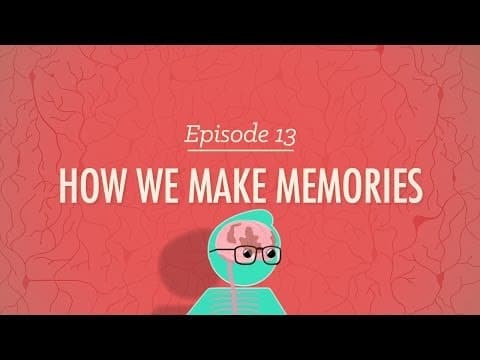
This blog post explores the complexities of memory through the profound case of Clive Wearing, detailing how memories are formed, stored, and retrieved, and the different types of memory processes involved.
Clive Wearing was once a talented musician, but his life changed dramatically in 1985 when he contracted a rare Herpes encephalitis virus. This illness severely damaged his central nervous system, leading to profound amnesia. Despite his condition, Clive's emotional responses remain intact; he greets his wife with joy each time he sees her, unable to remember the last moment they shared. This case exemplifies the critical role memory plays in our identity and daily functioning.
Memory is fundamental to our existence. It connects our past experiences to our present and future, allowing us to recognize loved ones, recall joyful moments, and perform everyday tasks. When memory fails, as in Clive's case, individuals can feel untethered, unable to navigate their lives effectively. While Clive cannot remember personal details, he retains certain skills, such as speaking English and playing the piano, highlighting that memory is not an all-or-nothing phenomenon.
Memory can be accessed in three primary ways: recall, recognition, and relearning.
In the late 1960s, psychologists Richard Atkinson and Richard Shiffrin proposed a model of memory formation consisting of three stages: encoding, storage, and retrieval.
Initially, information is captured as sensory memory, which is fleeting. For example, if you were asked to remember a name, you would need to transfer it to short-term memory through rehearsal. Short-term memory can hold a limited amount of information (typically 4 to 7 items) for about 30 seconds without rehearsal. If not rehearsed, this information decays or is transferred to long-term memory.
Long-term memory serves as a vast storage unit for knowledge, skills, and experiences. Over time, psychologists have refined the concept of short-term memory into working memory, which encompasses the processes involved in transferring information to long-term storage. Working memory includes both explicit and implicit processes:
Long-term memory can be categorized into different types:
Clive Wearing's case illustrates how certain types of memory can be affected differently by brain damage. While his episodic memories are severely impaired, his procedural memories remain intact, allowing him to perform tasks he once mastered.
To improve memory retention, several techniques can be employed:
The depth of processing also affects memory retention.
Memory is a powerful and complex aspect of human cognition that shapes our identities and experiences. Clive Wearing's story serves as a poignant reminder of the significance of memory in defining who we are. While he may have lost access to many of his memories, the emotional connections and skills he retains illustrate the multifaceted nature of memory. Understanding how we encode, store, and retrieve memories can help us appreciate the intricate workings of our minds and the vital role memory plays in our lives.