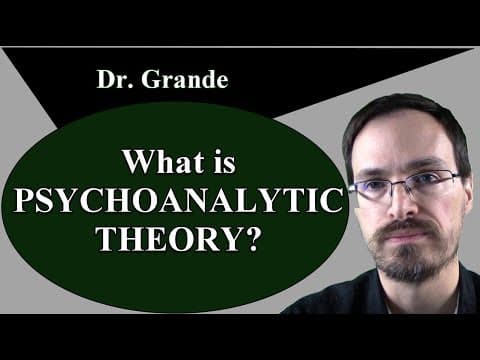
Psychoanalytic theory, developed by Sigmund Freud, is a foundational talk therapy modality that explores the unconscious mind, the psyche's structure, and defense mechanisms. It emphasizes the importance of resolving unconscious conflicts through various techniques, although its acceptance in modern therapy varies.
Psychoanalytic theory is a significant framework in psychology, developed by Sigmund Freud. It serves as a foundational modality for talk therapy and is distinct from psychodynamic theory, which encompasses Freud's work and the subsequent developments by Neo-Freudians. This article explores the core components of psychoanalytic theory, its techniques, and its relevance in contemporary therapy.
Psychoanalytic theory posits three levels of awareness:
Freud divided the psyche into three components:
Id: The primal part of the psyche focused on basic needs and desires, operating on the pleasure principle without regard for consequences. It contains two instincts:
Ego: The mediator between the id and the superego, functioning on the reality principle. It balances basic needs with societal rules.
Superego: The moral component of the psyche, representing societal rules and ethics. It strives to control the id's impulses according to moral standards.
Freud proposed five psychosexual stages of development:
Each stage involves specific conflicts that must be resolved for healthy psychological development. Failure to resolve these conflicts can lead to fixation or regression, impacting an individual's behavior and personality.
When the ego fails to mediate between the id and superego, defense mechanisms come into play. These mechanisms protect the ego from anxiety and help manage unacceptable urges. Some key defense mechanisms include:
Psychoanalytic therapy employs various techniques to uncover unconscious material and resolve conflicts:
The effectiveness of psychoanalysis as a treatment for mental health symptoms is a topic of debate. While some evidence supports its efficacy, it does not match the robust research backing more modern therapies, such as cognitive behavioral therapy. Psychoanalysis is often viewed as a long-term treatment, contrasting with the shorter duration of many contemporary therapies.
Despite the controversies surrounding certain aspects of psychoanalytic theory, such as the psychosexual stages and defense mechanisms, Freud's contributions to understanding human behavior and personality remain influential. Elements of psychoanalytic theory continue to inform various therapeutic approaches and are integral to the training of mental health professionals.
Psychoanalytic theory offers a profound insight into the complexities of the human psyche, emphasizing the importance of the unconscious mind and the resolution of internal conflicts. While its acceptance in modern therapy may vary, the foundational concepts introduced by Freud continue to shape the field of psychology and therapeutic practices today.