This blog post explores the evolution of residential foster care in Spain, detailing three main models: institutionalized, family-based, and specialized care, while emphasizing the importance of integrating children back into family environments and the role of public entities in overseeing these systems.
Residential foster care has been a crucial aspect of child welfare for centuries, evolving significantly over time. This blog post delves into the history of residential care, particularly in Spain, and outlines the various models that have emerged to support vulnerable children.
Residential foster care is not a new concept; it has existed for centuries as a means to provide shelter and support for children in need. Historically, institutions such as orphanages and homes for abandoned children were established to meet the basic needs of these vulnerable populations. However, the approach to care has transformed dramatically over the years.
In the past, institutions like casas de expósitos (foundling homes) and casas de misericordia (homes of mercy) were primarily focused on meeting the basic needs of children without delving deeper into their emotional or developmental requirements. These facilities aimed to provide shelter, food, and basic education but often lacked a comprehensive approach to child development.
The first significant model of residential care in Spain was the institutionalized model, which prevailed until the 1980s. This model emerged during a time of political transition, with Spain's young democracy struggling to establish effective social interventions.
In this model, children were placed in closed centers equipped with all necessary resources, including education and healthcare. Unfortunately, this approach often resulted in children spending their entire childhood in these institutions, with little preparation for life outside once they reached adulthood. The focus was primarily on institutionalizing the children rather than fostering their individual growth and integration into society.
As democracy took root in Spain and social services became more specialized, a new model emerged: the family model. This approach aimed to create a more nurturing environment for children, resembling a family setting.
In this model, children lived in smaller, family-type homes or apartments, allowing them to attend local schools and engage with community resources. The goal was not to replace parents but to support families in crisis, facilitating the children's return home whenever possible. This shift marked a significant change in the philosophy of child welfare, emphasizing the importance of family connections.
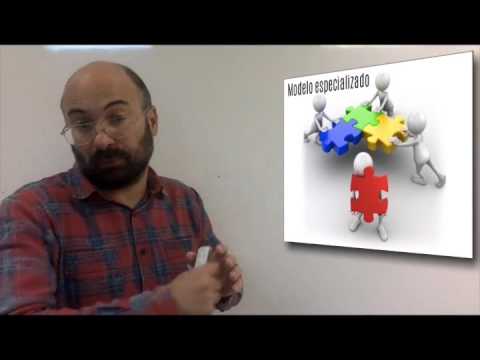
From the 1990s onward, the landscape of residential care continued to evolve, leading to the development of the specialized model. This model recognizes the diverse needs of children entering the foster care system, including those from troubled families and unaccompanied minors arriving from other countries.
The specialized model offers a range of tailored services, including:
This diversification reflects a broader understanding of child welfare, recognizing that issues affecting children are often rooted in family dynamics and societal challenges.
In Spain, the responsibility for overseeing residential foster care falls to public entities, such as the Conselleria de Igualdad y Políticas Inclusivas in the Valencian Community. These organizations are tasked with determining the type of care needed, which can be initiated by parents, the child welfare agency, or through judicial decree in cases of severe circumstances.
The evolution of residential foster care in Spain illustrates a significant shift from institutionalization to a more family-oriented and specialized approach. The focus has moved towards integrating children back into their families and communities, recognizing that the best environment for a child's development is within a family setting. As we continue to address the complexities of child welfare, it is essential to adapt our strategies to meet the diverse needs of children and families in crisis.