Welcome to this lecture on seed technology, where we will delve into the essential topic of seed quality. Understanding what influences seed quality is crucial for producing healthy plants that meet market demands. This post will cover the various factors affecting seed quality and best practices for ensuring optimal seed performance.
What Determines Seed Quality?
Seed quality is primarily determined by two key parameters: germination capacity and vigor. High-quality seeds are essential for producing normal and healthy plants that fulfill market requirements. The type of seed needed will depend on the variety and specific market demands.
Factors Affecting Seed Quality
Several factors can significantly impact seed quality:
Environmental Conditions
- Temperature and Humidity: Proper management of temperature and humidity is vital for seed preservation. For instance, the germplasm bank in Norway maintains optimal conditions to conserve seeds effectively.
- Oxygen Pressure: Seeds should be stored in conditions that may not necessarily be oxygen-free but should be controlled to prevent deterioration.
- Carbon Dioxide Levels: CO2 plays a role in seed physiology and must be monitored during storage.
Biological Threats
- Pathogens: Bacteria, fungi, and pests such as insects and rodents can adversely affect seed quality. Effective pest management is crucial to prevent contamination.
Cultivation Practices
- Harvesting Techniques: The method of harvesting, especially mechanized harvesting, must be calibrated correctly to avoid damaging the seeds. Damage can expose nutrients and reduce seed quality.
- Field Selection: The history of the production area is critical. Understanding what was previously grown in the field can help avoid issues like cross-contamination from previous crops or weeds.
- Isolation: To prevent cross-pollination, it is essential to ensure that the planting area is isolated from other crops that may affect seed purity.
Seed Preparation and Planting
Soil Preparation
The preparation of the soil and the seeds themselves is crucial. Factors to consider include:
- Calibration of Equipment: Ensure that planting equipment is calibrated for the desired seed spacing and depth.
- Seed Condition: Seeds should be in optimal condition to meet the expected requirements for germination and growth.
Planting Methods
The choice of planting method can influence plant competition and overall growth. Considerations include:
- Planting Density: High-density planting may lead to competition among plants, affecting their growth and yield.
- Timing of Planting: The timing of planting should align with the flowering and pollination periods to maximize yield.
Fertilization and Pest Control
Fertilization Techniques
Different fertilization methods can be employed, such as:
- Granular or Liquid Fertilizers: Depending on the crop and soil conditions, choose the appropriate fertilization method.
- Organic Options: Organic fertilizers are becoming increasingly popular and may require different management practices.
Pest and Disease Management
Understanding potential pest threats and managing them proactively is essential. This includes:
- Monitoring for Pests: Regularly check for pests and diseases to prevent outbreaks that could damage crops.
- Preventive Measures: Implement strategies to avoid reaching critical pest levels that could harm the crop.
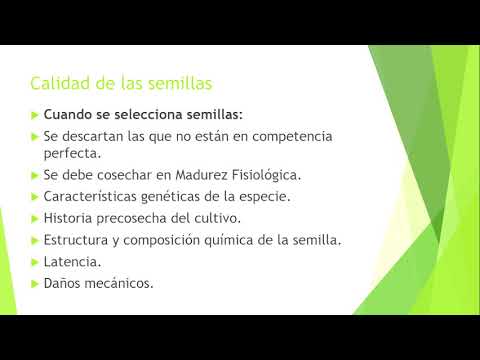
Seed Selection and Harvesting
Selecting Seeds
When selecting seeds, it is important to:
- Discard Poor Quality Seeds: Remove seeds from plants that did not compete well in their environment.
- Harvest at the Right Time: Ideally, seeds should be harvested at physiological maturity to ensure optimal quality.
Post-Harvest Handling
Proper post-harvest handling is crucial for maintaining seed quality:
- Drying and Storage: Seeds should be dried adequately before storage, and the storage conditions should be controlled to prevent deterioration.
- Seed Treatments: Consider applying treatments to protect seeds from pests and diseases during storage.
Conclusion
In conclusion, seed quality is influenced by a multitude of factors ranging from environmental conditions to cultivation practices and post-harvest handling. By understanding these factors and implementing best practices, growers can ensure the production of high-quality seeds that lead to healthy plants and successful harvests. Thank you for your attention, and I wish you an excellent day!