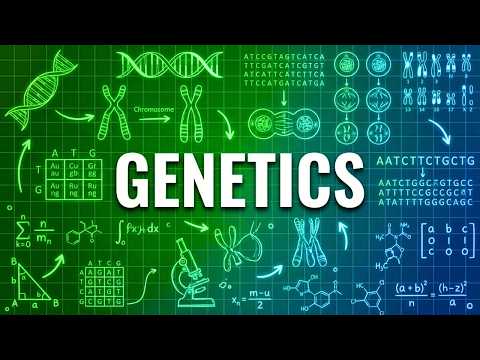
This blog post explores the fundamental concepts of living organisms, focusing on cells, tissues, organs, and organ systems. It discusses the roles of different cell types, the structure of plant and animal cells, and the functions of various organ systems in maintaining life.
In this blog post, we will delve into the fundamental concepts of living organisms, focusing on the building blocks of life: cells, tissues, organs, and organ systems. Understanding these components is crucial for grasping how living organisms function and interact with their environment.
Cells are the basic structural units of all living organisms. They come together to form tissues, which then combine to create organs. Each cell type has a specific function that contributes to the overall health and operation of the organism.
Cells are primarily composed of proteins and lipids, which form the cell membrane. The cell membrane is crucial as it regulates what enters and exits the cell, maintaining homeostasis. The color of certain cells, such as those containing chlorophyll, gives them a green hue, which is essential for photosynthesis in plants.
In humans, red blood cells play a vital role in transporting oxygen from the lungs to various parts of the body. This process is essential for cellular respiration, which occurs in the mitochondria of cells.
Tissues are groups of similar cells that perform a specific function. There are four primary types of tissues in animals:
Animal and plant cells have distinct differences:
Organs are made up of different types of tissues that work together to perform specific functions. Organ systems are groups of organs that work together to carry out complex functions necessary for life.
The circulatory system is responsible for transporting materials throughout the body. It includes the heart, blood vessels, and blood. The heart pumps blood, which carries oxygen and nutrients to cells and removes waste products.
In plants, the root system anchors the plant and absorbs water and nutrients from the soil, while the shoot system supports the plant and facilitates photosynthesis through leaves and stems. The root system consists of primary and secondary roots, while the shoot system includes stems and branches.
Understanding the structure and function of cells, tissues, and organ systems is essential for comprehending how living organisms operate. Each component plays a critical role in maintaining life, and their interactions are vital for the health and survival of the organism. As we continue to explore the complexities of biology, we gain a deeper appreciation for the intricate systems that sustain life.