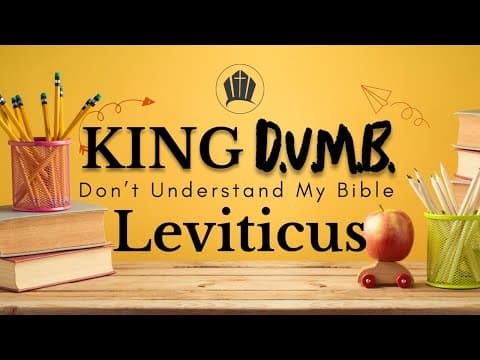
This blog post explores the significance of the Book of Leviticus, emphasizing its relevance to both ancient and modern readers. It breaks down the book's structure, its historical context, and its foundational role in understanding the gospel and God's holiness. Dr. Charles A. Moody Jr. highlights how Leviticus connects Judaism and Christianity, providing insights into rituals, purity, and atonement that are crucial for comprehending the broader biblical narrative.
In this blog post, we will delve into the Book of Leviticus, the third book of the Bible, and explore its significance for both ancient and modern readers. Dr. Charles A. Moody Jr. emphasizes the importance of understanding this book to gain a deeper insight into the word of God and the foundations of Judeo-Christian beliefs.
Dr. Moody begins by addressing the need for biblical knowledge. He argues that understanding the Bible is essential for knowing God. The Book of Leviticus, often overlooked, contains vital teachings that inform our understanding of God’s expectations and the nature of our relationship with Him.
The name "Leviticus" comes from the Hebrew word meaning "and he called," indicating that it is a book written to those whom God has called. The Talmud refers to it as the law of the priests, which can lead to misconceptions about its relevance to modern readers. Many view it as a collection of outdated rules and rituals, believing it has little to do with their lives today.
Leviticus is traditionally attributed to Moses, as indicated by its frequent references to him as the recipient of God’s laws. Jesus also affirmed Moses as the author of the Pentateuch, which includes Leviticus. Understanding the historical context of Leviticus is crucial for grasping its teachings and their implications for both ancient Israel and contemporary believers.
Leviticus is divided into five major sections:
Chapters 1-7: Rituals and Sacrifices
This section outlines the commandments regarding various sacrifices, detailing how and when they should be offered. It serves as a foundation for understanding the sacrificial system in ancient Israel.
Chapters 8-10: The Priesthood
These chapters provide instructions specifically for the priests, emphasizing their role in mediating between God and the people. While only a small portion of the book, it highlights the importance of the priestly function in worship.
Chapters 11-16: Rules of Purity
This section addresses issues of cleanliness and health, offering guidelines that were crucial for the well-being of the community. Dr. Moody notes that these rules contributed to the survival of the Jewish people during historical plagues.
Chapters 17-26: Conduct of the Holy People
Here, the focus shifts to the behavior expected of those consecrated to God. It includes moral and ethical guidelines, emphasizing how to live in harmony with others and in accordance with God’s will.
Chapter 27: Vows and Offerings
The final section discusses the making of vows and the offerings associated with them, rounding out the comprehensive nature of the laws presented in Leviticus.
During the time of Jesus, Leviticus held significant importance. It was the first book taught to children, as it laid the groundwork for their values and daily living. This historical perspective underscores the book's relevance and its foundational role in shaping the moral and ethical framework of Jewish life.
Dr. Moody argues that Leviticus is essential for understanding the gospel. It serves as a bridge between Judaism and Christianity, providing insights into God’s holiness and the human need for atonement. Without a grasp of Leviticus, one cannot fully comprehend the New Testament's teachings about Jesus and salvation.
Leviticus introduces the concept of atonement, particularly through the Day of Atonement rituals. The scapegoat and sacrificial goat symbolize the transfer of sin and the means by which God reconciles with His people. This foundational understanding is crucial for interpreting the New Testament, where Jesus is portrayed as the ultimate sacrifice for humanity's sins.
In conclusion, the Book of Leviticus is far from irrelevant; it is a vital part of the biblical narrative that informs our understanding of God’s character and His expectations for humanity. By studying Leviticus, we gain insights into the nature of holiness, the significance of sacrifice, and the profound connection between the Old and New Testaments. Dr. Moody encourages readers to invest in their biblical knowledge, as understanding Leviticus is key to unlocking the deeper truths of the gospel and our relationship with God.