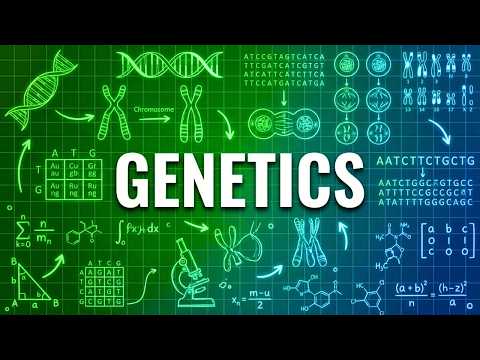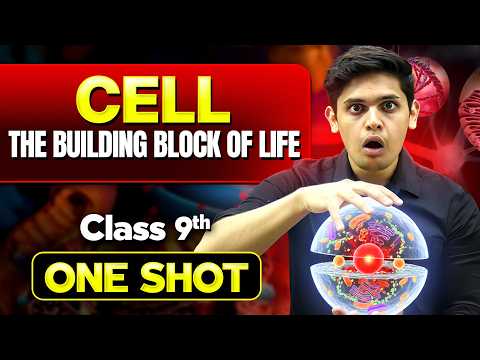
This blog post provides a detailed overview of the fundamental unit of life, the cell, covering its structure, functions, types, and the processes of cell division. It explains the significance of cells in living organisms, the discovery of cells, and the various organelles that contribute to cellular functions, making it an essential read for students and science enthusiasts.
Cells are often referred to as the fundamental unit of life. This blog post aims to provide a comprehensive understanding of cells, their structure, functions, and the processes involved in cell division. Whether you find science boring or fascinating, this guide will help you appreciate the beauty of cellular biology.
A cell is the smallest structural and functional unit of living organisms. All living things, including plants, animals, and humans, are made up of cells. Cells can be classified into two main types: unicellular (single-celled organisms) and multicellular (organisms made up of multiple cells).
Unicellular organisms consist of a single cell. Examples include bacteria and protozoa. These organisms perform all necessary life functions within one cell.
Multicellular organisms, such as humans and plants, are composed of many cells that work together to perform various functions. Each cell type has a specific role, contributing to the overall functioning of the organism.
The concept of cells was first introduced by scientist Robert Hooke in the 17th century when he observed dead plant cells under a microscope. Later, Antonie van Leeuwenhoek discovered living cells, which expanded our understanding of cellular life.
Cells have various components, each with specific functions:
The cell membrane, also known as the plasma membrane, acts as a protective barrier for the cell. It regulates the entry and exit of substances, maintaining the internal environment of the cell.
Cytoplasm is the jelly-like substance within the cell membrane that contains organelles and is the site for many cellular processes.
The nucleus is often referred to as the brain of the cell. It contains the cell's genetic material (DNA) and controls cellular activities, including growth and reproduction.
Cells contain various organelles, each performing specific functions:
Cells can be broadly categorized into two types based on their structure:
Prokaryotic cells are simple, single-celled organisms without a well-defined nucleus. Their genetic material is not enclosed within a membrane. Examples include bacteria.
Eukaryotic cells are more complex and can be unicellular or multicellular. They have a well-defined nucleus and membrane-bound organelles. Examples include plant and animal cells.
Cell division is the process by which a parent cell divides to form daughter cells. There are two main types of cell division:
Mitosis is a type of cell division that results in two daughter cells, each with the same number of chromosomes as the parent cell. It is essential for growth and repair of tissues.
Meiosis is a reductional division that produces four daughter cells, each with half the number of chromosomes. It is crucial for sexual reproduction, producing gametes (sperm and eggs).
Understanding cells and their functions is fundamental to biology. Cells are not just the building blocks of life; they are complex systems that perform various essential functions. By studying cells, we gain insights into the workings of life itself, from the simplest unicellular organisms to complex multicellular beings like humans.
This guide serves as a foundation for further exploration into the fascinating world of cellular biology, encouraging students and enthusiasts alike to delve deeper into the subject.