This blog post provides an in-depth overview of a mediation session led by mediator Rick Weiler, highlighting the importance of confidentiality, the roles of the parties involved, and the dynamics of negotiation in resolving disputes. Through a real-life example, it illustrates how mediators facilitate discussions to reach mutually acceptable agreements.
In this blog post, we will explore the mediation process through a demonstration led by mediator Rick Weiler. Mediation is a structured process where a neutral third party helps disputing parties communicate and negotiate a resolution. This session illustrates the dynamics of mediation, the importance of confidentiality, and the roles of the participants involved.
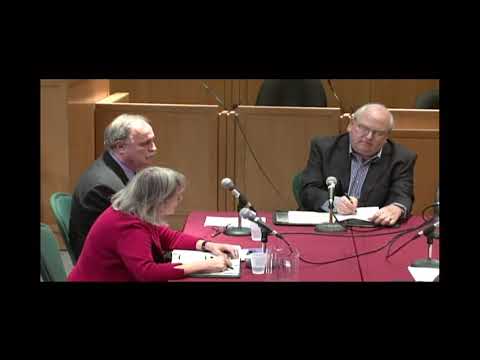
Rick Weiler begins the session by welcoming the participants and outlining the mediation process. He emphasizes that each mediator has a unique approach, but his method focuses on facilitating a conversation aimed at resolving the conflict. The key points he addresses include:
Weiler stresses the importance of keeping an open mind and listening with genuine curiosity. He acknowledges that disagreements will arise but reminds everyone that the ultimate goal is to reach an agreement that addresses the needs of all parties.
The mediation begins with statements from the parties involved. The first speaker, representing the defendant, outlines the emotional nature of the dispute, which revolves around property rights and the use of an easement. He describes how his client feels unfairly treated due to the defendant's actions, which have disrupted the peaceful enjoyment of their property.
The defendant, Chris, shares his perspective, expressing frustration over the situation. He describes his property as a cherished family retreat that has been negatively impacted by the defendant's loud activities and disruptive presence. Chris feels that the conflict cannot be resolved without going to court, highlighting the emotional stakes involved.
As the mediator, Weiler acknowledges the emotional weight of the situation. He encourages both parties to express their feelings and concerns, emphasizing that understanding each other's perspectives is crucial for finding common ground.
The mediator facilitates a discussion about potential solutions. The parties explore various options, including:
Throughout the session, Weiler plays a crucial role in guiding the conversation. He encourages both parties to remain focused on their goals and to consider the long-term implications of their decisions. He highlights the benefits of reaching a mutually acceptable agreement, which can provide more certainty than a court ruling.
The mediation session demonstrates the complexities of resolving disputes through dialogue and negotiation. By fostering an environment of open communication and understanding, mediators like Rick Weiler help parties navigate their differences and work towards a resolution that respects the needs of all involved. This process not only addresses the immediate conflict but also lays the groundwork for future interactions between the parties as neighbors.
In summary, mediation is a valuable tool for conflict resolution, allowing individuals to take control of their situations and find solutions that work for everyone. Through this demonstration, we see the importance of empathy, communication, and collaboration in resolving disputes effectively.