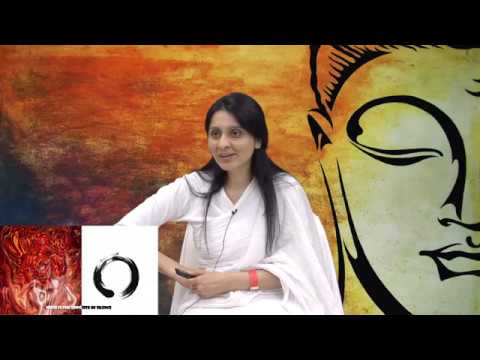
This blog post explores the concept of chittas, or states of mind, as discussed by Ekta Bathija. It delves into the nature of desires, the importance of awareness, and practical techniques for achieving inner silence through meditation. The post emphasizes the need to recognize and detach from desires to attain a state of contentment and clarity.
In the quest for inner peace and clarity, understanding the nature of our desires and thoughts is crucial. Ekta Bathija, in her discussion on the types of chittas, emphasizes the significance of recognizing the noise created by our desires and how to navigate towards silence.
Desire is often described as noise in our minds, filled with too many thoughts and cravings. Bathija points out that this noise stems from a sense of lack in our lives. We often seek to fill this void with external things—money, relationships, or status—but these cannot truly satiate our inner hunger.
When we notice a lot of noise in our minds, it is essential to accept that it is due to our desires. Bathija encourages us to become aware of these desires and understand that they arise from a feeling of incompleteness. The realization that the mind cannot be satiated by external factors is a joyous and liberating understanding.
Many people chase after material possessions or ideal relationships, believing they will bring happiness. However, Bathija challenges this notion by asking whether these external achievements truly lead to contentment. She highlights that even those who seem to have it all—wealth, success, and perfect families—often experience a lack of true happiness.
In our relationships, we often seek validation from others, posting perfect pictures on social media to portray an ideal life. This behavior stems from a desire to fill an internal void, which can never be satisfied by external approval. Bathija urges us to reflect on whether we are genuinely content or merely seeking external validation.
To achieve inner silence, Bathija suggests that we must renounce our desires. This does not mean suppressing them but rather recognizing them and understanding their transient nature. She introduces a three-step process to help us navigate our thoughts during meditation:
Awareness is a key theme in Bathija's teachings. She emphasizes that true meditation is about being aware of our thoughts and sensations without judgment. By observing our desires and reactions, we can begin to understand the patterns that govern our minds.
Bathija categorizes the mind into four types, focusing on how we process information:
Understanding these types helps us recognize how our thoughts and emotions interact, allowing us to break free from habitual reactions.
Bathija draws on the teachings of Buddha, advocating for the middle path between indulgence and renunciation. This approach encourages us to experience life fully without becoming attached to desires or outcomes. By accepting reality as it is, we can cultivate a sense of peace and contentment.
A significant barrier to achieving inner silence is our expectations. Bathija advises dropping these expectations and simply being present. This practice allows us to observe our thoughts and feelings without the pressure of needing them to change.
The journey towards inner silence and understanding the types of chittas is not an overnight process. It requires patience, awareness, and a willingness to confront our desires and the noise they create. By practicing the techniques outlined by Bathija, we can gradually move towards a state of clarity and peace, ultimately leading to a more fulfilling life.
In summary, the exploration of our desires and the nature of our minds is essential for achieving inner silence. By recognizing and detaching from our cravings, we can cultivate a deeper sense of contentment and clarity in our lives.