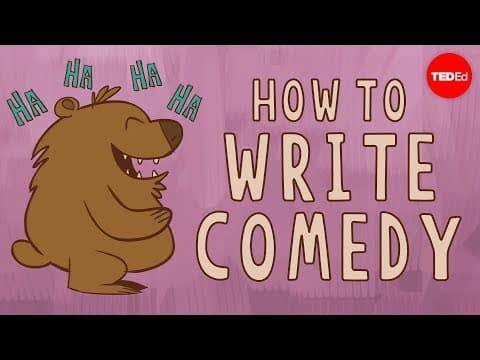
Cheri Steinkellner shares essential tips for adding humor to writing by focusing on comedic characters, incongruities, and playful imagination, emphasizing the importance of detail and fun in storytelling.
Humor is a powerful tool in storytelling, and Cheri Steinkellner offers valuable insights on how to make your writing funnier. By focusing on the ordinary and employing specific techniques, writers can enhance their stories, speeches, or screenplays with humor. Here are some key takeaways from her approach to comedic writing.
All great storytelling, including comedy, revolves around a few basic ingredients: who, what, when, where, why, and how. These questions require detailed answers, and the more specific the details, the funnier the story becomes.
The first element to consider is the comedic character. Think about the books, TV shows, and movies that make you laugh. They often feature archetypal characters such as the know-it-all, the lovable loser, the bad boss, the neurotic, and the airhead. These stock characters, rooted in Commedia Dell'Arte from late Renaissance Italy, remain timeless.
To create comic characters, Steinkellner suggests finding their flaws and amplifying them. Alternatively, playing with opposites can yield humor. For instance, when the smartest person in the room does something foolish, or when a doofus outsmarts a brainiac, the unexpected twist elicits laughter.
Aristotle famously noted that the secret to humor is surprise. This idea aligns with the incongruity theory of humor, which posits that we laugh at things that seem out of place or contradict our expectations. Examples include a frog dating a pig or a cat disco dancing. The absurdity of these scenarios is what makes them funny.
One effective method for discovering incongruities is through mind mapping. Start with a simple word, such as "pickle," and jot down connections. Consider what pickles remind you of, who eats them, and any cherished memories associated with them. This exercise can spark comedic ideas.
Another technique is to transition from observation to imagination. Instead of asking "what is," ask "what if?" For example, consider what would happen if a horse were replaced by a pair of coconuts in a story. Allow your imagination to run wild, even if some ideas seem silly or overdone. What may seem obvious to you might be fresh and funny to someone else.
Much of comedy stems from real-life irritations, frustrations, and humiliations. Will Rogers once said, "Everything's funny as long as it happens to somebody else." If you're having a rough day, think about how that experience could translate into a humorous story about a character you’re writing.
Once you have your characters and story, consider these quick tips to enhance your comedic writing:
It's important to remember that humor is subjective. Not every attempt at comedy will land, and that's okay. Comedy involves trial and error, and writing is a process of rewriting. Keep experimenting with flaws, details, incongruities, and k-words.
Above all, the key to writing humorously is to have fun. As Charles Dickens wisely stated, "There is nothing in the world so irresistibly contagious as laughter and good humor." So, embrace the joy of writing and let your creativity shine through your comedic endeavors.