This blog post explores the cognitive psychology behind perception and understanding, highlighting historical examples and psychological concepts that illustrate how our biases and expectations can blind us to reality. It offers practical suggestions for overcoming these mental blindfolds to enhance our understanding and interactions with the world.
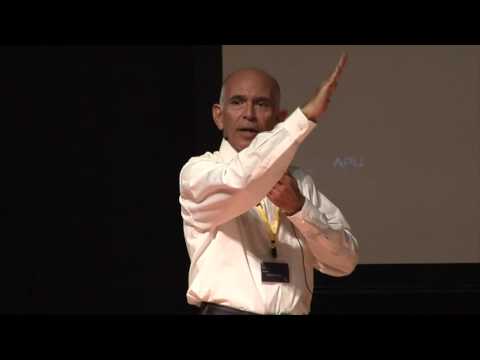
In our daily lives, we often encounter situations where our perceptions are clouded by biases and preconceived notions. In a recent TEDx talk, Raymond Langley delves into the cognitive psychology of what we fail to see, using historical examples and psychological principles to illustrate how our minds can act as blindfolds. This post will summarize his insights and provide practical suggestions for overcoming these mental barriers.
Langley begins by inviting the audience to reflect on the imagery of a young lady whose vision is obscured by hands. This metaphor serves as a powerful reminder that sometimes, the barriers to our understanding are not physical but mental. He emphasizes that our thought processes can prevent us from seeing what is right in front of us.
One of the first examples Langley discusses is from World War II, specifically the Battle of the Bulge. The German forces executed a surprise attack by misleading the American and Allied commanders into believing they were merely observing the battlefield. By naming their operation "Watch on the Rhine," they created an illusion of passivity, which ultimately led to a successful surprise attack. This historical instance illustrates how deception can manipulate perception and lead to unexpected outcomes.
Langley then shifts to a significant breakthrough in medical science regarding stomach ulcers. For decades, doctors believed that stress and spicy foods were the primary causes of ulcers. However, Australian physicians discovered that a bacterium, Helicobacter pylori, was the actual culprit. Initially, their findings were met with skepticism because the prevailing belief was that bacteria could not survive in the acidic environment of the stomach. This example highlights how entrenched beliefs can blind professionals to new evidence, delaying advancements in understanding and treatment.
Langley introduces the concept of the fundamental attribution error, which refers to the tendency to judge others based solely on their behavior without considering external circumstances. He shares a story from one of his students who misjudged her supervisor due to his harsh treatment. Upon learning about the pressures he faced, she realized her initial judgment was flawed. This example underscores the importance of understanding the context behind people's actions.
Another critical concept discussed is expectation bias, which suggests that we see what we expect to see. Langley illustrates this with the case of American Airlines Flight 902, where pilots misinterpreted a stall as turbulence due to their expectation of bad weather. This incident serves as a cautionary tale about how our expectations can lead to critical errors in judgment.
Langley offers four practical suggestions for overcoming the cognitive blindfolds that hinder our understanding:
Embrace Humility: Acknowledge that we can be wrong and remain open to new possibilities. This mindset fosters forgiveness for ourselves and others, allowing us to learn from mistakes.
Be Playful: Engage with new concepts creatively. Experimenting with ideas can lead to unexpected insights and breakthroughs.
Stay Open-Minded: Approach learning with fresh eyes. Interacting with diverse perspectives can enhance our understanding and challenge our assumptions.
Be Adventurous: Embrace the unknown and view challenges as opportunities for exploration. Recognizing that our knowledge is limited can inspire curiosity and growth.
In conclusion, Langley emphasizes the words of physicist Stephen Hawking: "The greatest enemy of knowledge is not ignorance, but the illusion of knowledge." By recognizing and addressing our cognitive blindfolds, we can enhance our understanding of the world and improve our interactions with others. The journey of discovery is ongoing, and by remaining humble, playful, open-minded, and adventurous, we can continue to learn and grow in our understanding of ourselves and the world around us.