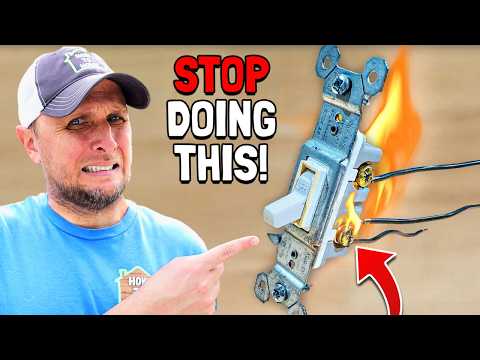
This article outlines seven common mistakes made during the installation of light switches, including improper wire connections, incorrect insulation removal, and the risks associated with backstab connections. It provides guidance on how to avoid these pitfalls to ensure safe and effective installations.
Installing or replacing light switches may seem like a straightforward task, but many homeowners and DIY enthusiasts make critical mistakes that can lead to safety hazards. This article highlights seven common errors and offers best practices to ensure your installations are safe and effective.
One of the most common mistakes involves the connection of line and load wires. In a typical light switch box, you may find two black wires: one bringing current in from the circuit breaker (the line) and the other going to the light fixture (the load). It is important to note that it does not matter which wire connects to which terminal screw on a single-pole switch, as long as they are on separate screws. Misconnecting these wires can lead to malfunctioning switches.
When connecting wires to terminal screws, the direction in which the wire is wrapped is crucial. Many people mistakenly wrap the wire counterclockwise. The correct method is to wrap the wire clockwise around the terminal screw. This ensures that as the screw tightens, it pulls the wire in closer, creating a more secure connection that will last longer.
Another frequent error occurs when attempting to connect multiple wires under a single terminal screw. This practice, known as double stacking, is against code and can lead to dangerous situations. If one wire becomes loose, it can affect the connection of the other wire, potentially causing arcing, fires, or electrocution. Instead of double stacking, use pigtails—short pieces of wire that connect to the main feed line, allowing for safe and compliant connections.
Many homeowners mistakenly believe that a neutral wire must be connected to a single-pole switch. However, this is not the case. A standard single-pole switch does not require a neutral wire, as it simply acts as a gatekeeper for the current flowing to the light fixture. If you have neutral wires in your switch box, they should be wire nutted together and not connected to the switch.
Backstab connections, where wires are pushed into holes on the back of the switch, are convenient but can lead to problems. Over time, the metal clips that hold the wires can weaken, causing loose connections that may result in flickering lights or complete failure. Many electricians recommend avoiding backstab connections in favor of terminal screws, which provide a more reliable and secure connection.
Removing too little insulation from the wire can prevent a good connection at the terminal screw. If insulation is trapped under the screw, it can lead to a poor connection, increased resistance, and potential overheating. Conversely, removing too much insulation exposes excess copper, which can create a risk of short circuits and electrical fires. Always ensure that the right amount of insulation is removed to achieve a secure connection without exposing bare wire.
Using the correct tools can significantly impact the quality of your installation. For terminal screws, consider using specialized bits designed for electrical work, such as Klein's combination bit or Milwaukee's ECX bit. These tools provide better surface contact and allow for more effective tightening of screws, reducing the risk of slippage and ensuring a secure connection.
By avoiding these seven common mistakes, you can ensure that your light switch installations are safe, effective, and compliant with electrical codes. Always take the time to understand the proper techniques and use the right tools for the job. If you have any questions or need further guidance, consider consulting a professional electrician to ensure your electrical work is done correctly and safely.