This article highlights frequent framing issues observed during inspections of new construction homes in the Dallas-Fort Worth area. Key problems include improperly supported headers over doorways, misaligned or cracked studs, incorrect use of joist hangers, inconsistent support for PEX water lines, and inadequate nail plate protection for wiring. Homebuyers are encouraged to inspect these aspects during the framing stage and communicate concerns to builders early.
When it comes to new construction homes, especially in the Dallas-Fort Worth (DFW) area, framing inspections often reveal a set of recurring deficiencies. Understanding these common issues can empower homebuyers and inspectors to identify potential problems early in the construction process, ensuring structural integrity and safety.
During framing inspections, several problems tend to appear consistently. Here are some of the most frequent deficiencies noted:
One of the most common issues is the header over a doorway that does not rest properly on the supporting stud. Headers are critical structural components that distribute loads around openings such as doors and windows. If the header is not adequately supported by the studs beneath it, it can compromise the stability of the wall and the overall structure.
Studs that are not aligned correctly or are split and cracked are another frequent problem. Proper alignment of studs is essential for load distribution and for providing a solid base for drywall and other finishes. Cracked or split studs weaken the wall framing and can lead to further structural issues.
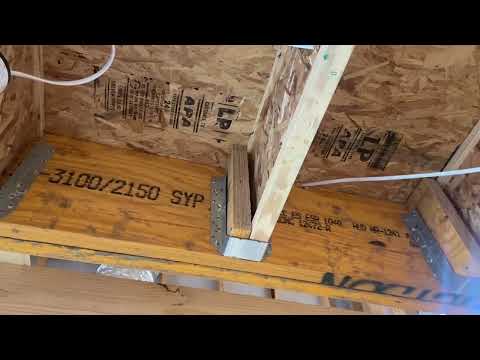
Joist hangers are metal brackets designed to support joists and ensure they are securely attached to beams or other framing members. Instead of using the correct size and type of joist hanger, some builders resort to cutting small strips to fit, which is not an acceptable practice. Using the right joist hangers is crucial for maintaining the strength and safety of the floor or ceiling framing.
PEX water lines are commonly used in modern plumbing due to their flexibility and durability. However, proper support and strapping are necessary to prevent sagging and damage. It has been observed that while PEX lines may be strapped and supported on one side, the other side is often left unsupported. This inconsistency can lead to premature wear or failure of the plumbing system.
Nail plates are metal plates installed over studs to protect electrical wires from being punctured by drywall screws or nails. When wires are less than 1.25 inches from the edge of a stud, nail plates are essential for protection. Unfortunately, this safety measure is sometimes overlooked, increasing the risk of electrical hazards.
Each of these deficiencies can have significant implications for the safety, durability, and functionality of a home. Improperly supported headers and misaligned studs can affect the structural integrity, leading to potential failures or costly repairs. Incorrect joist hanger installation compromises the strength of floors and ceilings. Poorly supported plumbing lines may result in leaks or damage, and inadequate protection for wiring poses fire and safety risks.
If you are having a brand new home built and are currently at the framing stage, it is highly advisable to conduct your own inspection or hire a professional inspector. Look for the issues outlined above:
Pointing out these deficiencies to your builder before the drywall is installed can save you from costly repairs and ensure your home is built to proper standards.
Framing inspections in new construction homes in the DFW area frequently reveal common deficiencies that can impact the safety and quality of the home. Being aware of these issues and actively inspecting the framing stage can help homebuyers advocate for proper construction practices. Early detection and communication with builders are key to preventing long-term problems and ensuring a safe, durable home.