This blog post provides a detailed account of clearing a blocked drain using various tools and techniques, including the use of a spinner and penetrator nozzle to remove blockages caused by roots and debris.
Blocked drains can be a nuisance, but with the right tools and techniques, they can be cleared effectively. In this post, we will walk through the process of clearing a blocked drain, as demonstrated in a recent video featuring a unique approach to tackling this common issue.
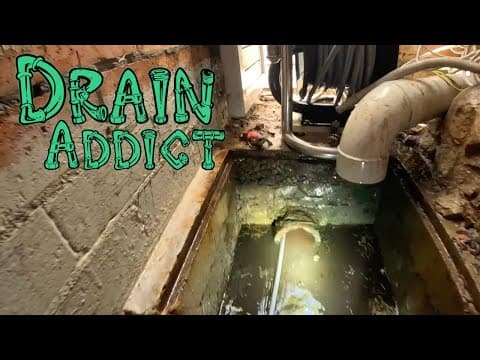
In the video, the host introduces a blocked drain scenario, mentioning a channel that snakes around the house. This channel is crucial for stormwater drainage, and the host notes that it has been in place since 1976. The goal is to clear the blockage and restore proper drainage.
To tackle the blockage, the host decides to use a spinner, a tool that is not commonly used but can be effective in certain situations. The spinner is designed to navigate bends in the pipe, which is essential given the layout of the drainage system.
The host prepares to insert the spinner into the pipe, ensuring that it is ready to handle the pressure needed to clear the blockage. As the spinner is sent down the pipe, the host listens for any signs of movement or blockage.
As the spinner travels through the pipe, the host notes that it feels like they are approaching a drop. This drop is significant as it indicates a change in the drainage system's structure. The spinner continues to move, and the host expresses optimism about clearing the blockage.
Upon reaching a dead end, the host realizes they have encountered the blockage. They decide to change tactics and use a penetrator nozzle, which is longer and more powerful, to tackle the roots or debris causing the obstruction.
After inserting the penetrator nozzle, the host applies pressure and observes movement in the drain. This indicates that the blockage is beginning to clear. The host expresses satisfaction with the progress, acknowledging the importance of the tools used in the process.
To ensure that the drain is completely clear, the host uses a camera to inspect the pipe. They discover that the roots, which were the primary cause of the blockage, have been successfully removed. The camera reveals a clear path through the drain, confirming that the job has been done effectively.
In the end, the host reflects on the process, noting that while the reverse nozzle did a significant amount of work, it was the combination of tools that led to success. The blockage caused by roots has been cleared, and the drain is functioning properly once again. The host concludes by suggesting that the removed roots can be repurposed in the garden, emphasizing the importance of maintaining clear drainage systems.
Clearing a blocked drain can be a straightforward task with the right approach and tools. By understanding the layout of your drainage system and using effective tools like the spinner and penetrator nozzle, you can tackle blockages efficiently and restore proper flow to your drains.