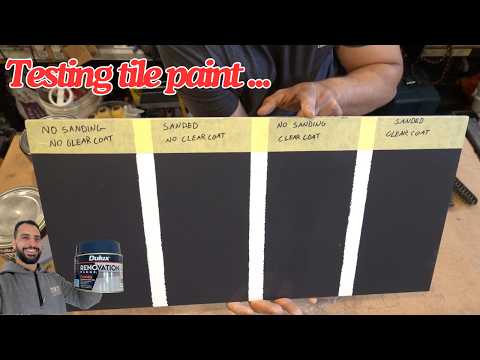
In this blog post, we explore the durability of Duux tile paint through various tests, comparing the effects of sanding and clear coating. The results indicate that while sanding and applying a clear coat can enhance durability, the overall performance of the paint remains consistent across different application methods. Key takeaways include the importance of preparation and the risks associated with using abrasive cleaning materials.
In this blog post, we will delve into the durability of tile paint, specifically focusing on a product from Duux called the Renovations Range. This exploration is prompted by the lack of comprehensive information available online regarding the actual performance of tile paint, particularly its durability. We will conduct a series of tests to provide clarity on this topic.
Tile paint has gained popularity for its ability to refresh and revitalize surfaces, but many users are left wondering about its long-term durability. In our tests, we will examine three main factors:
According to the manufacturer, a glossy or shiny surface must be sanded down to a dull finish using 400 grit sandpaper before applying primer or top coats. For our tests, we used a super shiny tile surface to evaluate how sanding affects paint adhesion and durability. We divided the tile into four sections:
The application process for the tile paint involves several steps:
To assess the durability of the tile paint, we conducted several tests using different methods:
We began with the fingernail test to see if the paint would peel off. The results showed that the paint held up well, with only minor scuff marks appearing on the surface.
Next, we used a soft bristle nylon brush. The results were promising, as the brush did not damage the paint significantly, even on the section without sanding.
Using a stiff bristle nylon brush yielded similar results, with no significant damage observed on any of the sections.
We then tested a cleaning sponge with an abrasive side. This method was more damaging, particularly on the sections without sanding and without a clear coat. The clear coat did show some signs of wear, indicating that while it offers some protection, it is not foolproof.
The steel wool test revealed that the paint could be stripped back significantly, especially on sections without sanding and without a clear coat. The sanded sections performed better, but some paint was still removed.
Finally, we tested the paint's durability against a small rock, simulating the effect of debris getting stuck in shoes. The results showed that the sanded and clear-coated section performed the best, with minimal damage compared to the others.
After conducting these tests, we found that:
In summary, while tile paint can be a cost-effective solution for refreshing surfaces, proper preparation and care are essential for achieving the best results. If you are considering using tile paint, keep these insights in mind to ensure a successful application and long-lasting finish.