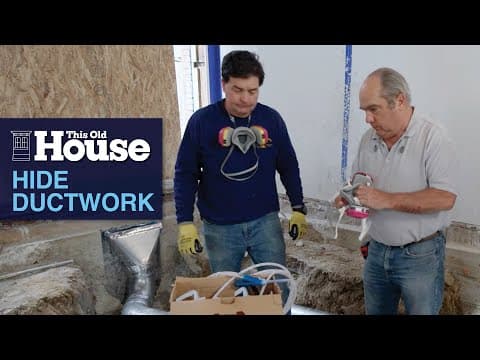
This article explores the challenges and modern solutions for installing ductwork under a concrete slab, highlighting the importance of structural integrity, moisture control, and insulation in HVAC systems.
When this house was built in 1960, the HVAC contractor faced a significant challenge due to the solid brick walls and the absence of an attic. The only feasible option was to run the ductwork under the concrete slab. This method, while practical at the time, has its drawbacks, particularly concerning moisture and insulation.
The original ductwork was made of simple metal, which has now deteriorated over time. The insulation used back then was fiberglass, which is prone to moisture absorption. When moisture from the ground and ductwork combines, it leads to the corrosion of metal ducts, resulting in a need for replacement.
Today, the same challenge persists: how to effectively install ductwork without compromising the aesthetics of the home. An initial suggestion was to run ductwork along the ridge and cover it with a soffit, but this was not acceptable to the homeowners, who preferred not to enlarge the existing beam.
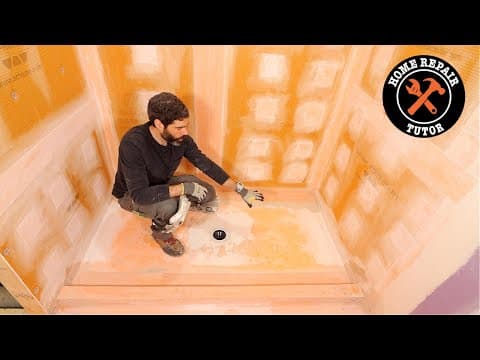
The renovation team has made significant progress. The original slab, which had a wood floor on top, lacked insulation and contributed to poor energy efficiency. The new plan involves a multi-layered approach:
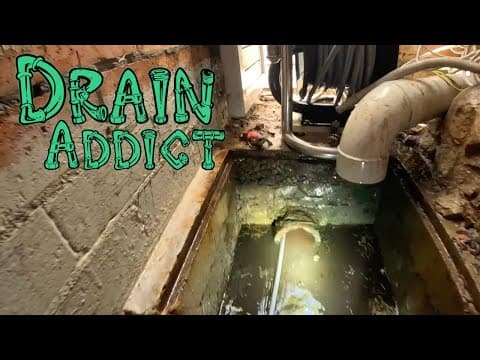
With the new foundation in place, the next step is to install the ductwork. The team excavated trenches for the registers and applied closed-cell foam as a base for the ductwork. This foam will ensure that moisture does not penetrate and damage the wood flooring above.
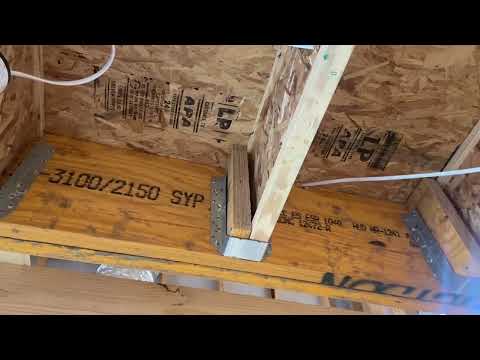
James Bouchard, an HVAC expert, emphasizes the importance of using the right materials for ductwork under a slab. The traditional 30-gauge galvanized metal duct is insufficient due to its lack of structural integrity; it would easily crush under the weight of concrete. Instead, a thicker spiral duct is used, which is double the gauge thickness and designed to withstand significant weight. This duct is robust enough that one could stand on it without fear of crushing.
To ensure longevity and performance, the ductwork must be properly insulated and moisture-resistant. Charlie, a member of the renovation team, demonstrates the use of a do-it-yourself closed-cell foam kit. Before applying the foam, it is crucial to clean the ductwork with acetone to remove any factory oils that could hinder adhesion. Once properly insulated, the ductwork is expected to last for decades, potentially outliving the house itself.
The innovative solutions for hiding ductwork under a concrete slab not only address the aesthetic concerns of homeowners but also enhance the overall efficiency and longevity of the HVAC system. With modern materials and techniques, the ductwork installed today is designed to withstand the test of time, ensuring that it remains functional and effective for many years to come.
Thanks for watching. This Old House has a video for just about every home improvement project, so be sure to check out the others. If you like what you see, click on the subscribe button to ensure you receive our newest videos right in your feed.