This blog post covers best practices for tilt-up construction, focusing on budget pricing, slab protection, bond breakers, rebar chairs, and panel installation techniques. It emphasizes the importance of planning, material selection, and effective communication among project stakeholders to ensure successful outcomes in tilt-up projects.
Tilt-up construction has become a popular method in the building industry due to its efficiency and cost-effectiveness. This blog post outlines best practices for tilt-up construction, focusing on key areas such as budget pricing, slab protection, bond breakers, rebar chairs, and panel installation techniques. By following these guidelines, construction teams can enhance project outcomes and minimize potential issues.
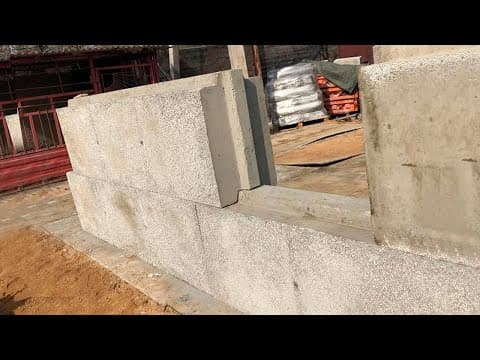
Tilt-up construction involves casting concrete panels on-site and then lifting them into position to form the walls of a building. This method offers several advantages, including reduced labor costs and faster construction times. However, successful tilt-up projects require careful planning and execution.
To provide accurate budget pricing for tilt-up projects, estimators need specific information:
Estimators should aim to capture the total square footage of wall space, including any deep footing areas. Providing a general idea of the reveal patterns and whether insulated panels will be used can also help in generating a close budget number.
Protecting the slab during construction is vital to avoid gouges and scratches that can compromise the floor's integrity. Here are some effective strategies:
Applying bond breakers before pouring concrete helps maintain a clean slab. It is essential to spray bond breakers inside the panels and around the forms to prevent concrete from sticking.
Using the correct type of rebar chairs is crucial for maintaining the integrity of the panels:
When erecting panels, it is essential to follow best practices to ensure safety and efficiency:
Using plastic or PVC reveals can minimize patching and provide better adhesion. It is essential to secure reveals properly to avoid misalignment during panel lifting.
Tilt-up construction offers numerous benefits, but it requires careful planning and execution to avoid common pitfalls. By following best practices for budget pricing, slab protection, rebar chair selection, and panel installation, construction teams can enhance project efficiency and quality. Effective communication among all stakeholders is crucial to ensure a successful tilt-up project.