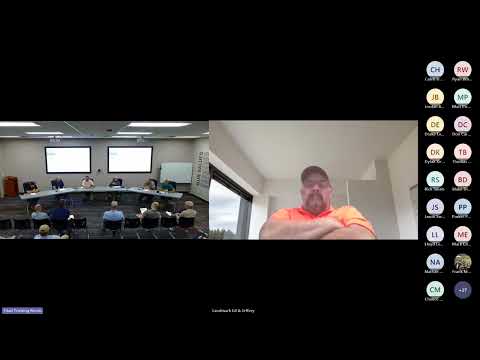
This blog post summarizes the key discussions from the Concrete Round Table held in September 2024, focusing on challenges faced in cold weather concrete operations, the importance of proper materials and techniques, and best practices for ensuring quality in concrete placement.
Welcome to the second Concrete Round Table. We appreciate everyone who submitted questions, and we are committed to addressing them. Today, we will cover critical topics related to cold weather concrete operations, along with some recent challenges and solutions in the field.
To start, let’s introduce the participants:
Over the past six months, several issues have arisen, particularly concerning concrete curling. Matt Pickler shared an example from a project in Charlotte where a slab poured without macrofiber experienced significant curling. This was attributed to the mix used, which lacked the necessary components to prevent curling.
In Charlotte, a 600,000 square foot slab was poured with macrofiber, while a smaller 150,000 square foot slab was not. The latter showed significant curling, particularly in the middle, leading to discussions about the mix design and the importance of using macrofiber to mitigate such issues. The team decided to cut out the affected areas to maintain quality for the client.
Similar problems were noted in Columbia, where two jobs faced curling issues due to improper base preparation. The lack of stone or plastic under the slabs complicated the situation, especially in cold and windy conditions, leading to increased drying rates and subsequent curling.
As we approach the cold weather season, it is crucial to prepare adequately. Here are some best practices:
Pre-install meetings are essential for ensuring that all parties involved in the concrete pour are aligned. These meetings should cover:
Ensuring a consistent mix is critical. Variations in slump can lead to significant issues during finishing. It is vital to communicate with suppliers to ensure that the mix delivered meets the required specifications.
The concrete industry is seeing advancements in technology, such as:
The use of recycled materials in concrete is becoming more common, but it requires careful consideration of the source and quality of the aggregates used. It is essential to work with reputable suppliers to ensure the integrity of the mix.
In conclusion, the Concrete Round Table highlighted the importance of preparation, communication, and innovation in addressing the challenges faced in cold weather concrete operations. By implementing best practices and leveraging new technologies, we can enhance the quality and durability of our concrete projects. Thank you to all participants for their valuable insights, and we look forward to our next discussion.