This blog post explores the intricacies of Styrofoam cement mixes, detailing the formulations, application diversity, and practical tips for achieving optimal results. It emphasizes the importance of understanding the components, ratios, and additives involved in creating effective lightweight concrete alternatives.
In the world of construction and DIY projects, Styrofoam cement mixes have gained popularity for their lightweight properties and versatility. This blog post aims to clarify the complexities surrounding these mixes, addressing common questions and providing insights into their formulations, applications, and best practices.
Styrofoam cement mixes are lightweight alternatives to traditional concrete, combining Portland cement with Styrofoam or other lightweight aggregates. These mixes are particularly useful in applications where reducing weight is crucial without compromising structural integrity.
The primary reasons for using Styrofoam cement mixes include:
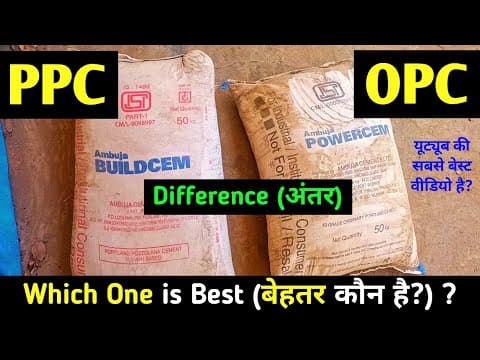
The paste serves as the binding agent in the mix. The most commonly used paste is Portland cement, specifically S-Type Portland cement, which is lighter and stickier due to its lime content. If S-Type is unavailable, a mixture of regular Portland cement and S-Type lime can be created to achieve similar properties.
Aggregates are crucial for determining the mix's strength and weight. Common lightweight aggregates include:
Admixtures enhance the performance characteristics of the mix. They can include:
The ratio of paste to aggregate is critical in determining the mix's strength and weight. Common formulations range from:
The water-to-cement ratio significantly affects the mix's strength. Too much water can lead to voids in the cured product, weakening it. Therefore, it is essential to use just enough water to achieve a workable consistency without compromising strength.
Styrofoam cement mixes are often used as insulation layers in construction, particularly under slabs or around pools to reduce thermal conductivity.
These mixes can effectively reduce sound transmission between floors in multi-story buildings, providing a quieter living environment.
Lightweight mixes are ideal for creating faux rocks, sculptures, and other decorative features that require a lightweight yet durable material.
Styrofoam cement mixes can fill voids in structures, providing support while maintaining a lightweight profile.
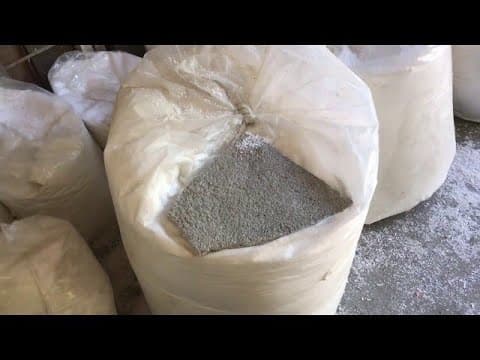
For larger projects, pre-bagging the mix can save time and reduce mess on-site. This method allows for consistent mixing ratios and easier handling.
Conducting tests on small batches can help determine the best formulation for specific applications. Adjusting the ratios of paste, aggregate, and admixtures can optimize performance based on project requirements.
For structural applications, consider reinforcing the mix with materials such as fiber mesh or steel to enhance strength and durability.
Styrofoam cement mixes offer a unique solution for various construction needs, combining lightweight properties with versatility. Understanding the formulations, ratios, and applications is essential for achieving the desired results. Whether for insulation, soundproofing, or decorative purposes, these mixes can be tailored to meet specific project requirements. If you have further questions or need assistance with your projects, don't hesitate to reach out for guidance.