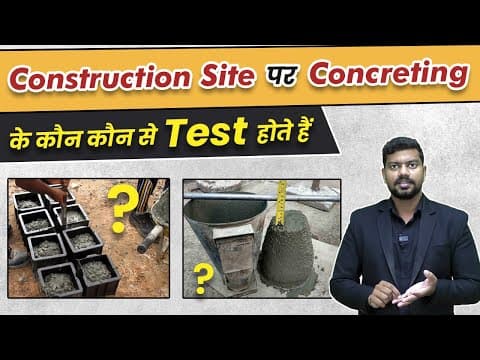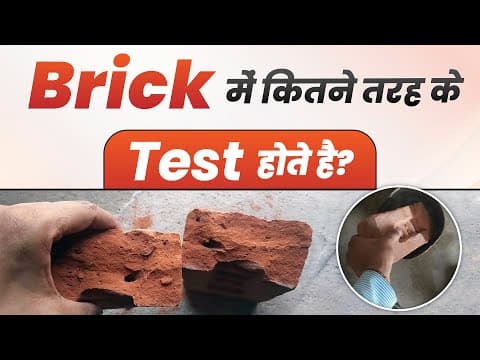
This blog post explores various methods for testing bricks in the field, including visual inspections, soundness tests, drop tests, compression strength tests, hardness tests, water absorption tests, and dimensional stability tests, ensuring that only quality bricks are used in construction.
In the construction industry, ensuring the quality of materials is crucial for the longevity and safety of structures. One of the most important materials used in construction is brick. This blog post will delve into the various methods of testing bricks to ensure they meet the required standards before being used in construction.
The first step in testing new bricks is a thorough visual inspection. Here are the key aspects to consider:
The soundness test is a simple yet effective method to assess the quality of bricks. This involves:
The drop test evaluates the durability of bricks:
For a more precise measurement of a brick's strength, the compression strength test is conducted in a laboratory:
The hardness test assesses the surface durability of the brick:
This test measures how much water a brick can absorb:
Efflorescence refers to the formation of white deposits on the surface of bricks:
This test checks for changes in the size of the brick when exposed to water:
Testing bricks is an essential process in ensuring that only quality materials are used in construction. The methods discussed, including visual inspections, soundness tests, drop tests, compression strength tests, hardness tests, water absorption tests, efflorescence tests, and dimensional stability tests, provide a comprehensive approach to assessing brick quality. By conducting these tests, builders can ensure the safety and durability of their structures. Always remember to perform these tests on new bricks before use to avoid future complications in construction projects.