This blog post provides an in-depth overview of helical piers, their installation process, applications in both existing and new constructions, and the benefits of using foam injection for soil stabilization. It also discusses the importance of torque measurement during installation and the various techniques used in foundation repair and stabilization.
In the world of foundation repair and construction, helical piers play a crucial role in stabilizing structures and ensuring their longevity. This blog post aims to provide a comprehensive overview of helical piers, including their installation process, applications, and the benefits of using foam injection for soil stabilization.
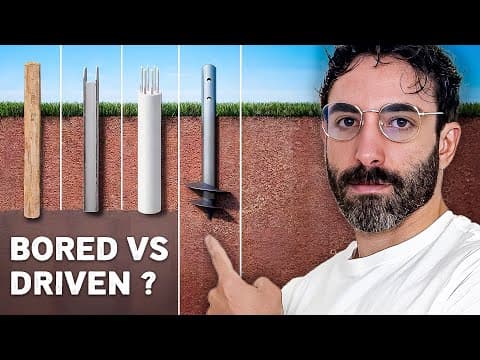
Helical piers, also known as helical piles, are deep foundation systems used to support structures by transferring their load to deeper, more stable soil layers. They consist of a shaft with helical plates that are screwed into the ground, providing resistance against vertical loads.
Before installation, it is essential to assess the site conditions. Engineers typically evaluate soil data to determine the appropriate depth and torque requirements for the helical piers.
The installation of helical piers requires specialized equipment, including mini excavators and torque heads. A typical crew consists of two to three members, allowing for efficient installation. Each crew can install about four piers per day, depending on site conditions.
The installation begins with digging a small hole (approximately 2x3 feet) at each pier location. This allows access for the helical pier installation equipment. The crew then prepares the site by ensuring that the soil is compacted and stable.
Once the site is prepared, the helical piers are installed using a torque head attached to the shaft. The torque head measures the amount of torque required to screw the pier into the ground, which is crucial for ensuring that the pier meets the load requirements specified by the engineer. The installation process involves:
After the helical piers are installed, the crew backfills the holes and compacts the soil to prevent future settling. The finished installation is typically below grade, making it invisible once the site is restored.
Helical piers can be used in various applications, including:
In addition to helical piers, foam injection is an effective method for stabilizing soil and filling voids beneath structures. This technique involves injecting a lightweight foam that expands to fill gaps and voids, providing support without adding significant weight to the soil.
Helical piers and foam injection are essential tools in the foundation repair and construction industry. Understanding their applications, installation processes, and benefits can help property owners and builders make informed decisions about stabilizing and supporting their structures. Whether dealing with existing buildings or new construction, these methods provide reliable solutions for ensuring structural integrity and longevity.