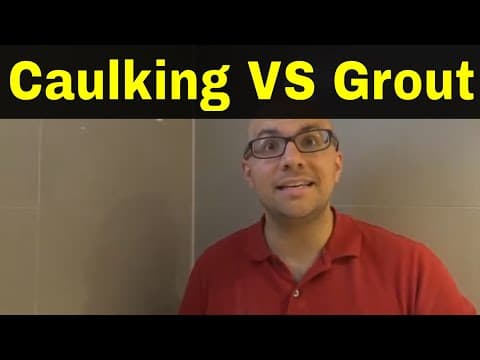
When it comes to finishing the edges where tiles meet, particularly in wet areas like showers, homeowners and contractors often find themselves debating whether to use caulking or grout. This article aims to clarify the advantages and disadvantages of each option and provide a comprehensive answer to the question: which one is better?
Understanding Grout and Caulking
Before diving into the comparison, it's essential to understand what grout and caulking are and their primary functions:
- Grout is a porous material typically used to fill the gaps between tiles. It provides a solid, rock-hard surface that can withstand some pressure and movement.
- Caulking, on the other hand, is a flexible, water-resistant sealant that is used to fill gaps and cracks. It is designed to create a waterproof barrier, making it ideal for areas exposed to moisture.
The Pros and Cons of Grout
Advantages of Grout
- Solid Surface: Grout creates a strong, stable edge where tiles meet, which is particularly beneficial in areas that do not experience much movement.
- Aesthetic Appeal: Grout can provide a clean and finished look to tiled surfaces, enhancing the overall appearance of the installation.
Disadvantages of Grout
- Porosity: One of the significant downsides of grout is its porous nature. Even when sealed, grout can absorb water, which can lead to issues over time, especially in wet environments like showers.
- Cracking: Due to its porous nature, grout is susceptible to cracking when exposed to constant moisture. This can lead to water damage behind the tiles if not addressed promptly.
The Pros and Cons of Caulking
Advantages of Caulking
- Water Resistance: Caulking provides a waterproof seal, making it an excellent choice for areas that are frequently exposed to water.
- Flexibility: The flexibility of caulking allows it to accommodate slight movements between tiles, which can be beneficial in certain installations.
Disadvantages of Caulking
- Durability: While caulking is water-resistant, it is not as strong as grout. It can be easily damaged by physical contact, such as scraping with a pumice stone or other cleaning tools.
- Maintenance: Caulking may require more frequent replacement compared to grout, especially in high-traffic or high-moisture areas.
The Best Solution: Combining Grout and Caulking
After examining the pros and cons of both materials, the consensus is that using both grout and caulking together yields the best results. Here’s how to effectively combine them:
- Apply Grout First: Start by applying grout to the edges where the tiles meet. This will provide a solid backing that can withstand pressure and movement.
- Allow Grout to Cure: It is crucial to let the grout cure completely before applying caulking. This ensures that the grout has the necessary air exposure to harden properly.
- Add a Bead of Caulking: Once the grout has cured, apply a bead of caulking over the grout line. This will create a waterproof seal that protects the grout from moisture and potential damage.
Conclusion
In summary, the debate between caulking and grout is not about which one is better in isolation, but rather how they can complement each other. Using grout provides a strong foundation, while caulking offers water resistance and flexibility. For areas prone to moisture, such as shower edges, the combination of both materials is the most effective solution. By following the proper application techniques, homeowners can ensure a long-lasting and durable finish for their tiled surfaces.
If you are considering a tiling project, remember that investing a little extra effort in using both grout and caulking can save you from future headaches and repairs.