The I-4 Ultimate project involves extensive pile driving to create foundations for roads and bridges. This blog post explains the types of pile driving used, their impact on nearby properties, and the measures taken to ensure safety and minimize disturbances.
If you live near the I-4 Ultimate construction project, you have likely heard the distinctive sounds of pile driving. But what exactly is pile driving, and how does it affect nearby properties? This blog post delves into the details of pile driving, its purpose in the I-4 Ultimate project, and the precautions taken to protect surrounding structures.
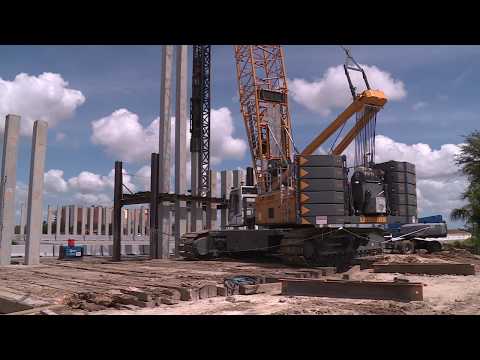
Pile driving is a construction technique used to create deep foundations for structures such as roads, bridges, and ramps. In the context of the I-4 Ultimate project, approximately 7,000 piles will be driven into the soil along the 21-mile corridor. These piles are made of concrete, steel, and sheet materials, which are essential for supporting the infrastructure of the new roadway.
There are two primary methods of pile driving utilized in the I-4 Ultimate project:
Vibratory pile driving is employed when the soil is soft and loose. This method involves the use of a vibrating mechanism that gradually pushes the pile into the ground. The vibrations produced are high frequency and low energy, similar to the motion of a boxer's speed bag being hit rapidly. This technique allows for a more gentle insertion of the piles into the soil.
In contrast, impact hammer pile driving is used in denser soil conditions. This method generates high-impact vibrations, akin to hitting a punching bag. The force from the impact hammer ensures that the pile is securely seated in the ground, providing a stable foundation for the structures above.
Throughout the pile driving process, engineers closely monitor vibration levels to mitigate disturbances and ensure accurate placement of the piles. While the sounds and vibrations from pile driving are noticeable, the project team is committed to minimizing any potential structural damage to nearby properties.
For instance, during the construction near a historic property on Colonial Drive at Garland Avenue, piles were driven less than 25 feet from the building. Remarkably, no structural damage occurred during this process, demonstrating the effectiveness of the monitoring techniques employed.
Residents need not worry about pile driving disrupting their sleep. As part of the construction contract, pile driving is restricted to specific hours: from 7 a.m. to 10 p.m. in residential areas. This schedule is designed to minimize disturbances while allowing construction to proceed efficiently.
Pile driving is a critical component of the I-4 Ultimate project, providing the necessary foundations for the new infrastructure. With two distinct methods of pile driving in use and stringent monitoring practices in place, the project aims to ensure safety and minimize impact on the surrounding community. For more information about pile driving and the I-4 Ultimate project, visit I4Ultimate.com.