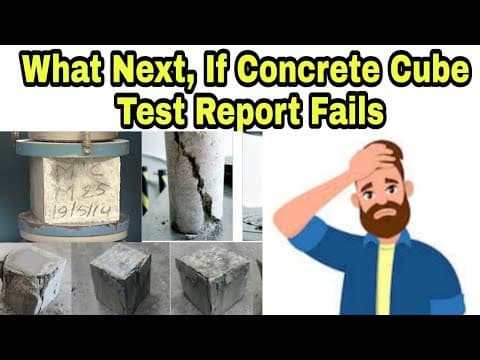
This article explores the steps to take when concrete cube tests fail, emphasizing the importance of prevention, analysis of failure reasons, and potential remedial actions to ensure structural integrity in construction projects.
Concrete is a fundamental material in construction, and its strength is critical for the safety and durability of structures. When concrete cube tests fail, it raises significant concerns for civil engineers and project managers. This article outlines the steps to take when faced with failed concrete cube testing reports, emphasizing the importance of prevention, analysis, and remedial actions.
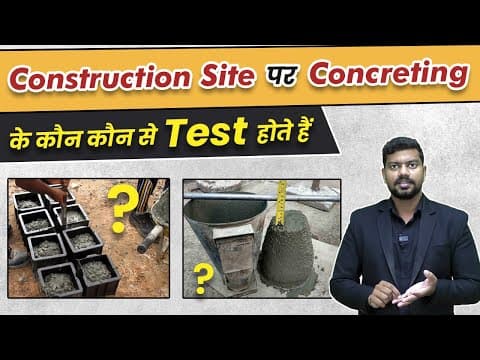
Concrete cube testing is essential for assessing the compressive strength of concrete. The results provide insights into the quality and characteristics of the concrete used in construction. Typically, concrete strength is categorized by grades ranging from M15 to M35 and higher, depending on the requirements of the project.
The compressive strength of concrete is a key indicator of its quality. It is crucial for determining whether the concrete has been mixed, poured, and cured correctly. The standard testing period is 28 days, during which concrete should achieve approximately 99% of its intended strength.
When concrete cube tests fail, it is essential to take immediate action. The first step is to recognize that this is a serious issue that should not be ignored. The failure could stem from various factors, including:
To address the failure, it is crucial to analyze the reasons behind it. There are four possible scenarios:
Understanding these scenarios helps in determining the next steps.
If the 7-day test results are unsatisfactory, it is advisable to wait for the 28-day results before making any decisions. The 28-day test is more definitive and should be treated with greater importance.
If the 28-day results also fail, investigate whether the cubes were filled and cured properly. Poor sampling or curing practices can lead to inaccurate test results. Ensure that the concrete was adequately cured for at least 7 days, as this is critical for achieving the desired strength.
If the slab appears to be in good condition despite the failed tests, consider conducting a rebound hammer test. This non-destructive test can provide additional insights into the concrete's strength.
If the rebound hammer test also fails, proceed with core testing. This involves extracting a core sample from the slab to determine its actual strength. The results should be taken to a structural consultant for further evaluation.
After core testing, consult with a structural engineer to decide on the next steps. They may recommend:
To avoid future failures, consider implementing the following preventive measures:
If the decision is made to retain the structure despite failed tests, several remedial actions can be taken:
Concrete cube test failures are serious issues that require immediate attention and a systematic approach to resolution. By understanding the testing process, analyzing failures, and consulting with experts, civil engineers can ensure the integrity of their structures. Preventive measures and remedial actions can help mitigate risks and enhance the overall quality of construction projects.