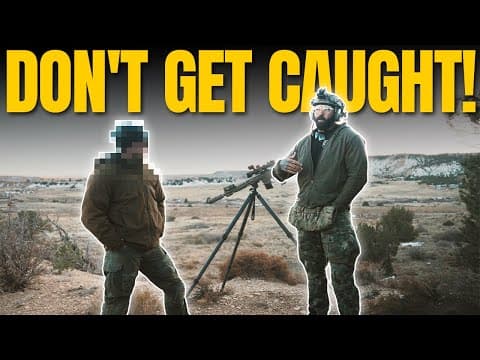
Active Special Forces are adapting to modern warfare by focusing on signature reduction, individual discipline, and evolving tactics to counter advanced enemy technologies. Historical practices inform current strategies, emphasizing the importance of stealth and risk management in combat operations.
The concept of military discipline regarding fire management dates back to the Roman Empire. Soldiers were instructed to keep their fires small enough to be extinguished quickly, ensuring that troop numbers remained concealed. This practice continued through history, notably during the Revolutionary War, where the Continental Army established doctrines to minimize visible troop presence. Fires were restricted to cook tents, emphasizing the need for stealth in a time when they were the insurgents.
As warfare has evolved, so have the technologies used by both sides. Modern threats include advanced detection systems capable of identifying even the slightest reflections or signatures from equipment. This has led to the adoption of anti-reflective devices, which have become crucial for maintaining operational security. The risk of being detected is no longer just about enemy soldiers; it can involve automated systems that relay information to artillery units, making stealth more critical than ever.
In contemporary military operations, individual soldier discipline is paramount. Soldiers must be trained to manage their equipment and personal appearance to reduce visibility. This includes ensuring that gear does not rattle, using electric tape to cover shiny surfaces, and applying face paint to eliminate reflections. The lessons learned from past conflicts, such as those in Vietnam, continue to inform current practices.
Modern combat increasingly involves smaller units operating in environments where troop movements can be easily detected. The challenge lies in conducting operations with fewer personnel while still achieving mission objectives. This requires a shift in tactics, focusing on signature reduction to maintain the element of surprise. The ability to engage effectively without being compromised is essential, especially when operating in limited numbers.
Understanding the risks associated with modern warfare is crucial for soldiers. Engaging the enemy successfully requires first ensuring one's own survival. This means that soldiers must navigate to their targets without being detected, as any compromise can lead to ambushes or other dangerous situations. The emphasis is on enabling troops to operate effectively with minimal resources while maximizing their tactical advantages.
The landscape of warfare has changed dramatically with the introduction of affordable and effective technologies that can be deadly in the wrong hands. The risk matrix has shifted, making detection a far more serious issue than in previous conflicts. The mantra of not getting caught has become a fundamental principle in training, emphasizing the need for stealth and careful planning.
As military tactics evolve, so too must the strategies for terrain assessment and route selection. Soldiers are now required to consider cover and concealment more critically, adapting their movements based on the capabilities of enemy technologies. The ability to manage light and signal signatures is vital, as adversaries have become adept at utilizing aerial surveillance and thermal imaging.
The preparation for modern warfare involves a comprehensive understanding of historical practices, current technologies, and the importance of individual discipline. As threats continue to evolve, so must the strategies employed by military forces. The focus on signature reduction, risk management, and tactical adaptability will be key in ensuring success on the battlefield.