The US Army has created an elaborate fictional world of countries and conflicts for training purposes. This blog post delves into the reasons behind this unique approach, the intricacies of the fake nations, and how they prepare soldiers for real-world missions.
The United States Army has developed a fascinating and intricate system of fictional countries and conflicts for training purposes. This blog post will explore the reasons behind this unique approach, the details of these made-up nations, and how they prepare soldiers for real-world missions.
One of the most intriguing examples is South Ostramck, a de facto independent region of the fictional mountain nation of Gorgus. While South Ostramck has been largely autonomous since the Denovians aided them during the Denovia Gorgis War of 2008, only Denovia and Nicaragua recognize their independence. However, the most surprising aspect of this entire scenario is that the US Army invented it.
The countries of Gorgus, Denovia, and their sub-regions like Ostramck and Zabzamech, along with neighboring nations such as Lamaria, Atropia, and Ariana, are entirely fictional. The US Army has created over 800 pages of lore about these nations, which serve as a training environment known as "Date World."
One of the primary reasons for using fictional countries is to avoid confusion in military training scenarios. The US Army has a strict policy against using real countries, groups, or individuals as enemies in unclassified training materials. This is to prevent any geopolitical misunderstandings that could arise from leaked training scenarios that might resemble actual military operations against real nations.
For a training scenario to be effective, the fictional countries must be complex and interconnected, mirroring the real world. This complexity ensures that soldiers are adequately prepared for the kinds of tensions, tactics, and technologies they might encounter in actual deployments. For instance, while Denovia is not Russia, it shares some characteristics that make it a relevant training adversary, such as being a global superpower with a complicated relationship with its neighbors.
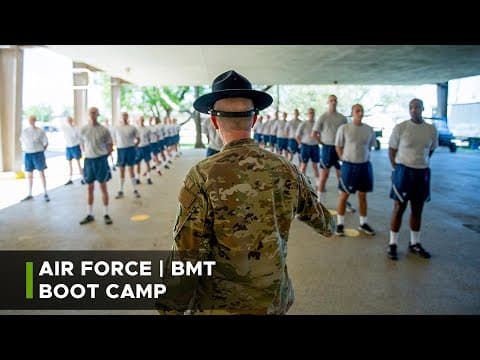
Date World is designed to create training scenarios that are a few shades off from reality but still relevant. For example, soldiers might find themselves liberating Atropia or dealing with insurgents in Ariana. The training exercises are held at locations like the Fort Irwin National Training Center in California and the Joint Readiness Training Center in Louisiana.
A unique aspect of these training exercises is the involvement of the First Battalion 59th Infantry Regiment, which plays the role of the opposing forces. Their job is to simulate the enemy's tactics and capabilities, making the training as realistic as possible. If a unit successfully completes a mission, the opposing forces will increase the difficulty for the next round, ensuring that soldiers are constantly challenged and prepared for various scenarios.
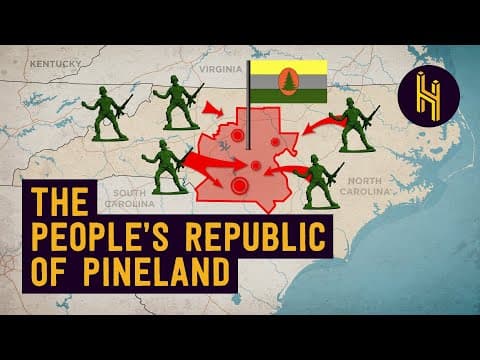
One of the most notable training exercises is Robin Sage, the final test for Green Beret candidates. During this exercise, candidates must navigate a fictional country called the People's Republic of Pineland, which is based on real counties in North Carolina. Candidates engage in guerrilla warfare, organize local support, and complete various missions, all while interacting with local volunteers who portray different roles within the scenario.
The creation of these fictional countries allows the US Army to conduct realistic training without the risks associated with using real-world conflicts. The detailed lore and interconnectedness of these nations provide soldiers with a comprehensive understanding of the complexities they may face in actual combat situations.
While the concept of training against fictional countries is serious, there is an element of humor in the elaborate details. For instance, the enemy in Robin Sage is humorously named Joseé Quervo, a nod to the tequila brand. Such details add a layer of absurdity to the otherwise serious nature of military training.
The US Army's approach to creating fictional countries for training purposes is a fascinating blend of creativity and practicality. By developing a detailed alternate universe, the Army ensures that its soldiers are well-prepared for the complexities of real-world conflicts while avoiding the potential pitfalls of using actual nations in training scenarios. This innovative method not only enhances military readiness but also provides a unique perspective on the intersection of fiction and reality in military training.