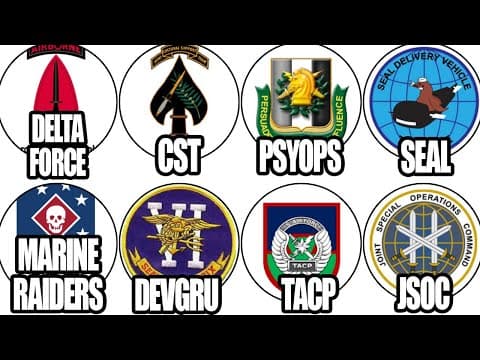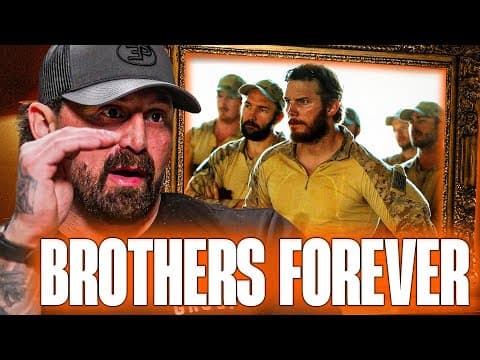
A British SAS operator shares his experiences with Delta Force, detailing the intense training, camaraderie, and the emotional toll of combat. He reflects on the challenges faced during deployments, the bonds formed with fellow operators, and the impact of loss in the field.
In a candid discussion, a British SAS operator shares his experiences working alongside Delta Force, highlighting the intense training, camaraderie, and emotional challenges faced during deployments. This blog post delves into his journey, the skills honed in high-pressure environments, and the profound impact of loss in the field.
The operator recalls his initial excitement upon joining a squadron at Fort Bragg, where he felt welcomed by a team of elite assaulters. He describes them as rock stars, emphasizing their exceptional skills in shooting and close-quarters battle (CQB). The operator was determined to prove himself, especially in pistol shooting, which was not a primary focus in his previous training.
To elevate his skills, he dedicated himself to rigorous training, often arriving early and staying late at the range. His commitment paid off as he gradually improved from finishing sixth in shooting competitions to winning some. This relentless pursuit of excellence earned him respect within the squadron, as they recognized his dedication to mastering the craft.
As deployment approached, the operator was filled with pride when given a U.S. flag to wear, symbolizing his deep respect for the American military. He had previously fought alongside U.S. Marines and felt a strong connection to their sacrifices. However, his deployment took an unexpected turn when he was assigned to Iraq instead of Syria, where his team was operating.
While in Iraq, he was presented with an opportunity to join a task force conducting high-stakes missions. He quickly integrated into the new team, forming strong bonds through shared meals, training, and operations. The operator describes this deployment as one of the best experiences of his career, filled with intense action and camaraderie.
The operator recounts a particularly intense mission where he was tasked with securing a window during an assault. The chaos of the operation escalated quickly, leading to a critical moment where he had to engage a target who posed an imminent threat. The aftermath of the operation was chaotic, with explosions and confusion, but it ultimately solidified his standing within the team as someone who could perform under pressure.
Through various missions, the operator learned valuable lessons about adapting tactics in response to enemy behavior. He emphasizes the importance of not just engaging the enemy but also gathering intelligence, which often required a delicate balance between aggression and caution.
Tragedy struck when the operator learned of the deaths of two friends, Matt and John, during a mission. The guilt he felt for introducing Matt to the team weighed heavily on him, leading to a struggle with grief and self-blame. He reflects on how this loss, compounded by years of combat, pushed him to his limits emotionally.
The operator describes how the deaths of his friends affected him deeply, leading to increased drinking and emotional turmoil. He acknowledges the difficulty of processing such losses while continuing to serve, highlighting the mental health challenges faced by many in the military.
The experiences shared by this British SAS operator provide a raw and honest look into the life of elite soldiers. From the thrill of training with Delta Force to the heart-wrenching losses in combat, his story underscores the complexities of military service. The bonds formed in the heat of battle and the emotional scars left behind are a testament to the sacrifices made by those who serve.
In sharing his journey, the operator hopes to shed light on the realities of combat and the importance of camaraderie and support within the military community.