In this blog post, Wg Cdr Amit Sathe shares his gripping experiences as an Indian fighter pilot, detailing the intense training, the challenges of dogfights, and the survival tactics employed during enemy encounters. He recounts the psychological and physical demands of flying at high speeds, the intricacies of ejection seats, and the harrowing stories of fellow pilots, including survival strategies when captured. This post offers a deep dive into the life of a fighter pilot, showcasing bravery,
In this blog post, we delve into the gripping experiences of Wg Cdr Amit Sathe, an Indian fighter pilot, as he shares his journey through the intense world of aerial combat, survival tactics, and the psychological challenges faced by pilots in high-stakes situations. His stories not only highlight the technical aspects of flying but also the human spirit's resilience in the face of adversity.
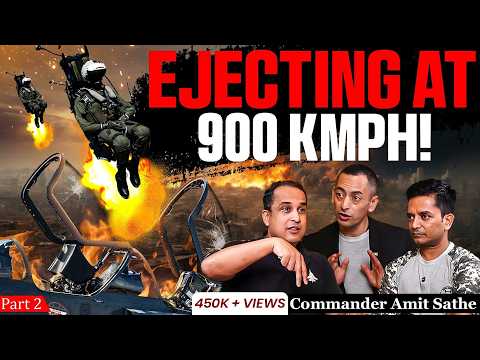
Wg Cdr Sathe begins by describing the sheer thrill of flying at speeds of 900 km/h. He explains how the air blast at such high velocities can be overwhelming, causing physical reactions like skin cuts and disorientation. The intensity of flying at such speeds is not just about the thrill; it also comes with significant risks. He emphasizes that the experience of flying is not just about the aircraft but also about the pilot's mental and physical preparedness.
One of the critical aspects of a fighter pilot's training is understanding the ejection seat mechanism. Wg Cdr Sathe explains how modern ejection seats are sophisticated and equipped with computers that assess various parameters like height, speed, and angle before deploying. This automation ensures that pilots can eject safely even in extreme conditions, such as when flying inverted or at high speeds. He shares anecdotes about the evolution of ejection seats and how they have become safer over the years, allowing pilots to survive potentially fatal situations.
The discussion takes a serious turn as Wg Cdr Sathe recounts the survival tactics employed by pilots if they find themselves captured by enemy forces. He shares the story of Group Captain Parulkar, who was captured during the 1971 war. The psychological and physical challenges of surviving in enemy territory are immense. Wg Cdr Sathe explains the importance of hiding any signs of being Indian, including cutting labels from clothing and using local currency to blend in. He emphasizes the need for a survival mindset, focusing on the will to return home to loved ones.
Wg Cdr Sathe highlights the psychological toll that combat and the threat of capture can have on pilots. He discusses the rigorous training that includes survival techniques in various environments, such as jungles and snow. The mental fortitude required to endure such training is immense, and he shares how pilots are taught to maintain their sanity and focus even in the most challenging situations.
Throughout his narrative, Wg Cdr Sathe emphasizes the camaraderie among pilots. He shares stories of fellow pilots who have faced similar challenges, highlighting the support system that exists within the Indian Air Force. The bond formed through shared experiences, whether in training or during missions, is a crucial aspect of a pilot's life.
Wg Cdr Amit Sathe's experiences as an Indian fighter pilot provide a fascinating insight into the life of those who serve in the air force. His stories of bravery, survival, and the relentless pursuit of excellence serve as an inspiration to many. The challenges faced by fighter pilots are not just physical but also deeply psychological, requiring a unique blend of skill, resilience, and teamwork. Through his journey, we gain a deeper appreciation for the sacrifices made by those who protect our skies.