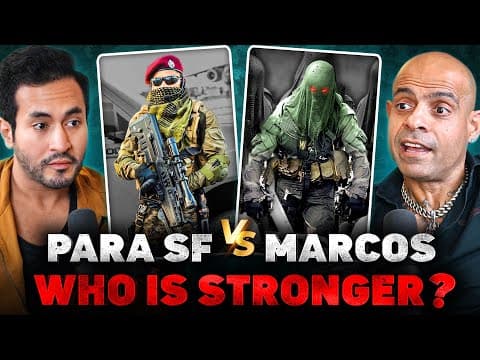
This blog post explores the unique characteristics, training, and operational roles of India's elite military forces: MARCOS, PARA SF, and GARUD. It highlights their selection criteria, combat exposure, and the psychological aspects of being part of these special forces, ultimately discussing their effectiveness in various operational scenarios.
India's military is composed of three primary branches: the Army, Navy, and Air Force, each with its own special forces. The special forces of the Army are known as the PARA SF (Parachute Special Forces), the Navy's elite unit is called MARCOS (Marine Commandos), and the Air Force has its own special operations wing known as GARUD. This blog post delves into the selection criteria, training, and operational roles of these forces, providing insights into their unique capabilities and effectiveness.
All special forces, regardless of their branch, follow a specific mandate and have distinct roles. Each unit is trained to excel in particular types of operations:
The selection process for these special forces is rigorous and tailored to their specific operational requirements. While there are common skills shared among them, such as free-fall parachuting from heights of 25,000 feet, the training is distinct for each force:
The training not only prepares them for their specific roles but also ensures that they can operate in joint missions if necessary. This adaptability is crucial for national security, as these forces may need to be deployed quickly in response to threats.
When discussing combat exposure, PARA SF has a historical advantage, having been established in 1965. Their continuous deployment in counter-terrorism operations, particularly in regions like Jammu and Kashmir and the Northeast, has provided them with extensive combat experience. In contrast, MARCOS and GARUD are relatively younger units but have also participated in significant operations, such as anti-piracy missions in the Gulf of Aden.
The effectiveness of these forces can often be gauged by their operational success and the number of missions they have successfully completed. PARA SF, due to their extensive deployment, tends to have a higher number of successful missions, which contributes to their reputation.
The mindset of special forces personnel is a critical factor in their effectiveness. Combat experience plays a significant role in shaping their psychological resilience. As soldiers engage in combat, they learn to manage fear and stress, which is essential for making rational decisions under pressure. This experience is often described as addictive, as the adrenaline and camaraderie formed in high-stress situations create a unique bond among team members.
The training and operational environment foster a sense of brotherhood that transcends individual backgrounds. This bond is crucial during missions, where trust in one another can mean the difference between life and death.
In conclusion, while MARCOS, PARA SF, and GARUD each have their strengths and specialties, it is essential to recognize that they are not in competition with one another. Each force is tailored to meet specific operational needs and is trained to excel in its designated role. The effectiveness of these elite units lies in their unique capabilities, extensive training, and the psychological resilience developed through combat experience. Understanding these differences helps appreciate the complexity and importance of India's special forces in maintaining national security.