This blog post pays tribute to the Pakistan Air Force (PAF), highlighting its remarkable achievements, particularly during conflicts with India. It discusses the prowess of PAF pilots, their advanced aircraft, and the strategic importance of their operations, showcasing how they have established Pakistan as a formidable air power in the region.
The Pakistan Air Force (PAF) has long been recognized for its exceptional capabilities and valor. Over the years, it has demonstrated its prowess in defending the nation's airspace, particularly against its neighbor, India. This blog post pays tribute to the PAF, focusing on its remarkable achievements and the bravery of its pilots.
The PAF has a storied history of defending Pakistan's sovereignty. In recent years, its capabilities have been put to the test, especially during confrontations with the Indian Air Force. Notable incidents include the downing of Indian fighter jets, such as the MiG-21, by PAF pilots, showcasing their skill and precision in aerial combat.
One of the most significant events in recent history occurred on February 27, 2019, when PAF Wing Commander Mohammad Noman Ali Khan and Squadron Leader Hasan Mahmood Siddiqui executed a daring operation. They successfully intercepted and destroyed two Indian aircraft that had violated Pakistani airspace. This operation not only highlighted the tactical superiority of the PAF but also instilled a sense of pride among the Pakistani people.
In this encounter, Wing Commander Noman Ali Khan swiftly shot down the MiG-21 piloted by Indian Wing Commander Abhinandan, while Squadron Leader Hasan Mahmood Siddiqui targeted another Indian aircraft. The rapid response and effectiveness of the PAF pilots turned the tide of the confrontation, leading to the capture of Abhinandan, who was later released as a gesture of peace.
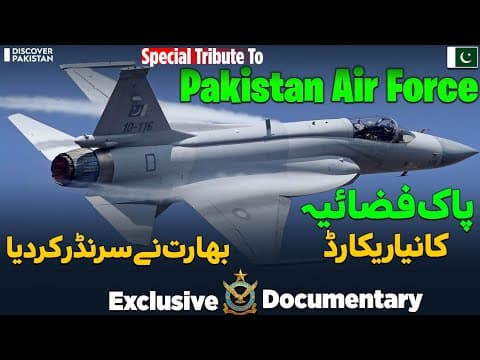
The PAF's strength lies not only in its skilled pilots but also in its advanced aircraft. The JF-17 Thunder, a multi-role fighter jet developed in collaboration with China, has become a cornerstone of the PAF's fleet. This aircraft is equipped with state-of-the-art technology, including advanced avionics and weaponry, allowing it to compete effectively against modern adversaries.
While both the PAF and the Indian Air Force possess fourth-generation fighter jets, the PAF has demonstrated a unique ability to make quick, independent decisions in combat situations. This agility has often given them an edge over their Indian counterparts, who may be constrained by bureaucratic decision-making processes.
The PAF's legacy dates back to the early years of Pakistan's independence. In the 1965 war, PAF pilots achieved remarkable feats, including the downing of multiple Indian aircraft in a matter of minutes. The heroics of pilots like Squadron Leader Sarfaraz Rafiqui and Flight Lieutenant Imtiaz Bhatti are celebrated in the annals of military history.
The PAF's record includes significant victories during various conflicts, including the 1971 war and the Kargil conflict. The ability of PAF pilots to adapt and utilize advanced technology has been a critical factor in their success. The PAF has consistently studied and integrated modern combat techniques, setting it apart from its adversaries.
As the PAF continues to evolve, it remains committed to defending Pakistan's airspace with the latest technology and training. The integration of advanced systems and continuous upgrades to their fleet ensure that the PAF remains a formidable force in the region.
The Pakistan Air Force stands as a symbol of national pride and resilience. Its pilots, often referred to as the "Falcons of the Sky," embody the spirit of bravery and dedication. As they continue to protect the skies of Pakistan, their legacy of valor and excellence will undoubtedly inspire future generations. The PAF's commitment to maintaining air superiority ensures that it will remain a key player in regional security dynamics for years to come.