This blog post provides an in-depth look at the Special Forces selection process, featuring insights from experienced leaders in the field. It covers the importance of preparation, the assessment criteria, and the emotional aspects of the journey, emphasizing the significance of intrinsic motivation and character in achieving success.
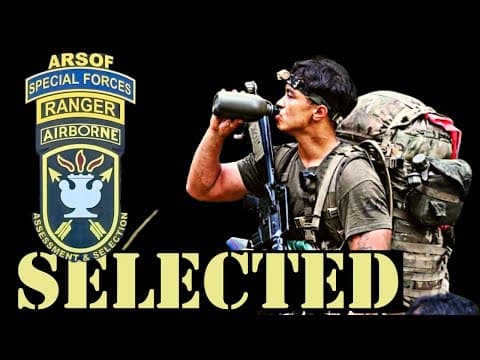
Welcome back to the podcast! I'm your host, Kevin, and today we're diving deep into the Special Forces selection process. I'm currently at Camp Mall, North Carolina, a special forces training base where selection for the Green Berets, psychological operations, and civil affairs takes place. With me are Command Major Lee Strong and Sergeant Major Trante, who are both experts in the selection process. Together, we will explore the ins and outs of what it takes to succeed in this challenging journey.
Before we delve into the specifics of the selection process, it's crucial to understand the importance of having a clear purpose or "why" for wanting to join the Special Forces. This intrinsic motivation is essential, especially during the tough days of training. Candidates must ask themselves why they want to be a Green Beret, as this will help them push through the challenges they will face.
Both Lee and Trante shared their personal stories of what motivated them to pursue a career in Special Forces. Lee joined the Army for college money but was inspired by the camaraderie and discipline he found. Trante, on the other hand, was influenced by his older brother's military service and his childhood fascination with special missions units. These stories highlight that motivation can stem from various experiences, and it's essential for candidates to find their own.
The foundation of the selection process is built on three key attributes: fitness, intellect, and character. Candidates are assessed not just on their physical abilities but also on their mental resilience and moral integrity. The goal is to identify individuals who can thrive in challenging environments and meet the demands of Special Forces operations.
In 2010, the RSOF attributes were developed to further refine the assessment criteria. These attributes include adaptability, teamwork, perseverance, personal responsibility, professionalism, courage, and integrity. Candidates must demonstrate these qualities throughout the selection process.
To aid candidates in their preparation, the Special Forces Preparation Handbook was created. This guide outlines the physical fitness standards and provides insights into nutrition, sleep, and overall preparation strategies. Successful candidates typically run a sub-13:30 minute mile, perform at least 38 hand-release push-ups, and complete 12 dead-hang pull-ups.
Candidates are encouraged to engage in rigorous training before arriving at selection. This includes running, rucking, and strength training to build the necessary physical fitness. The preparation phase is crucial, as it sets the foundation for success during the selection process.
The first week of selection is designed to validate the candidates' preparation. They will undergo a series of physical assessments, including ruck runs and obstacle courses, while also receiving instruction on land navigation and other essential skills. This week is physically demanding and serves as a test of both mental and physical endurance.
Candidates often face emotional challenges during selection. The pressure of being surrounded by other highly motivated individuals can lead to self-doubt. It's essential for candidates to focus on their journey and not compare themselves to others. The emotional component of selection is just as important as the physical aspect.
Team week is a critical phase where candidates must work together to complete various missions. This week emphasizes the importance of teamwork and perseverance. Candidates learn that supporting one another can make a significant difference in overcoming challenges.
The cadre play a vital role in guiding candidates through the selection process. They are experienced leaders who are invested in the success of the candidates. The cadre focus on identifying redeemable qualities in candidates, rather than simply weeding them out.
At the end of the selection process, candidates who successfully meet the standards are welcomed into the qualification course. This moment is a significant milestone, symbolizing their entry into the Special Forces community.
For those who do not make it through selection, the "Next 100 Meters" program provides valuable feedback and counseling. This initiative helps candidates understand their performance and offers guidance on how to improve for future attempts.
The journey through Special Forces selection is challenging but rewarding. It requires a strong sense of purpose, rigorous preparation, and the ability to work as part of a team. The insights shared by Lee and Trante highlight the importance of character and resilience in achieving success. For anyone considering this path, remember that with dedication and the right mindset, you can overcome the obstacles and become part of an elite community dedicated to serving the nation.