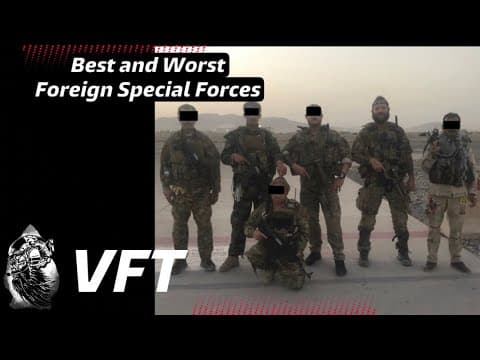
This blog post ranks various foreign military special forces units based on firsthand experiences from a Green Beret, detailing their strengths, weaknesses, and combat readiness. The Afghan Commandos rank the lowest due to poor performance, while the Australian Commando and SAS units are rated the highest for their proficiency and enjoyable collaboration.
In this engaging discussion, we delve into the ranking of various foreign military special forces units based on firsthand experiences from a Green Beret with over ten years of service in Army Special Forces. This analysis not only highlights the strengths and weaknesses of each unit but also provides insight into the nature of collaboration with these forces.
The following special forces units will be evaluated:
Additionally, we will touch on the Israeli and Ukrainian Special Forces due to their current relevance in global events.
At the bottom of the list are the Afghan Commandos. This unit is often confused with the Afghan Special Forces but is significantly less capable. The Afghan Commandos displayed a lack of discipline, often engaging in drug use during missions and showing little commitment to combat. Their unreliability made them a challenging partner force, leading to consistently negative experiences.
Next, we have the South Korean Special Forces and Japanese Special Forces, both rated low due to their focus on optics rather than genuine tactical improvement. Their training often felt theatrical, prioritizing appearances over effectiveness. Despite being tactically proficient, their lack of combat experience and rigid adherence to protocol made collaboration frustrating.
The Philippine Special Forces rank slightly higher due to their real combat experience in the southern Philippines. While they may not be as tactically advanced as the previous units, their engagement in actual missions and gunfights provides them with valuable experience, making them more reliable partners.
The Polish Special Forces are considered an average unit. While they are well-trained and competent, they do not stand out significantly compared to other special forces. Their operations in Afghanistan were generally supportive rather than frontline, placing them in the middle of the rankings.
Surprisingly, the Mongolian Special Forces performed exceptionally well in mountaineering and tactical operations. Their cultural background, which includes a history of rock climbing, contributed to their proficiency in these areas, making them a pleasant surprise in terms of capability.
The Afghan Special Forces, despite the overall poor reputation of the Afghan military, are highly proficient. Trained by Green Berets for over a decade, they have extensive combat experience, making them one of the better special forces units encountered.
The Canadian Special Forces are known for their proficiency and have participated in numerous operations alongside U.S. forces. However, their current status may be affected by political and military challenges within Canada, which could impact their effectiveness in the future.
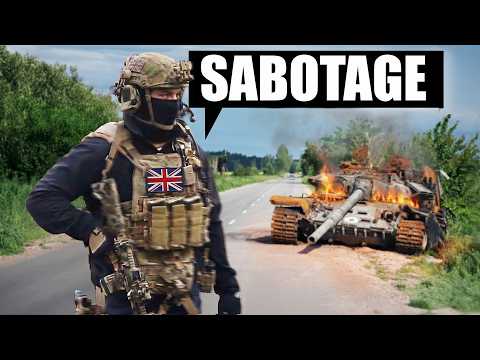
The British SAS ranks highly due to their extensive combat experience and operational capabilities. They have worked closely with U.S. forces and are known for their professionalism and effectiveness in various missions.
Topping the list are the Australian Commando and SAS units. These forces are not only highly proficient in tactical operations but also enjoyable to work with. Their unique domestic authority allows them to engage in a variety of missions, including complex operations that involve civilian scenarios, making them stand out among their peers.
While the focus was primarily on the units the author has worked with, it's worth noting the capabilities of the Israeli and Ukrainian Special Forces. The Israeli units are renowned for their effectiveness due to the geopolitical challenges they face, while the Ukrainian Special Forces have gained recognition for their training and operational success in recent conflicts.
This ranking of foreign special forces units provides a unique perspective based on real-world experiences. While each unit has its strengths and weaknesses, the rankings reflect not only tactical proficiency but also the nature of collaboration and operational effectiveness. If you have any questions or wish to discuss these rankings further, feel free to share your thoughts in the comments section.