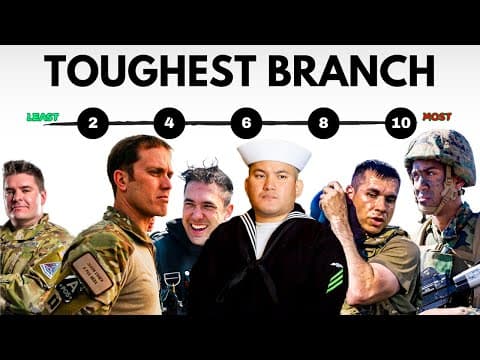
This article evaluates the toughness of the six branches of the US military, including the Space Force, Air Force, Coast Guard, Navy, Army, and Marines, based on physical fitness requirements, training intensity, deployment likelihood, specialized roles, and historical lethality. The Marines emerge as the toughest branch with a score of 9.4 out of 10, followed by the Army at 8.8 and the Navy at 6.9.
In this article, we will explore which branch of the US military is considered the toughest. This analysis is based on extensive research and personal insights, focusing on various factors that contribute to the overall toughness of each branch. We will evaluate the six branches of the military, including the Coast Guard and the Space Force, using a toughness scale from 1 to 10 across five core factors.
To determine the toughest branch, we will consider the following five factors:
The Space Force currently follows the Air Force's PT standards, which include a mile and a half run, push-ups, and sit-ups. They are experimenting with new testing methods using wristbands to monitor physical metrics. Given their current standards, they receive a score of 5 out of 10.
Space Force recruits undergo basic training alongside the Air Force, with an additional 21-hour course on Space Force structure and history. This results in a score of 5 out of 10 for training intensity.
As a non-combat branch, the Space Force does not have traditional combat roles. Their focus is on supporting other branches through satellite operations. They receive a score of 2 out of 10.
Currently, the Space Force lacks combat roles but may develop them in the future. They receive a score of 2 out of 10.
Being a new branch, the Space Force has no historical combat involvement, earning them a score of 1 out of 10.
Total Toughness Score for Space Force: 3 out of 10
The Air Force has similar PT requirements to the Space Force, with additional alternative workouts. They receive a score of 5 out of 10.
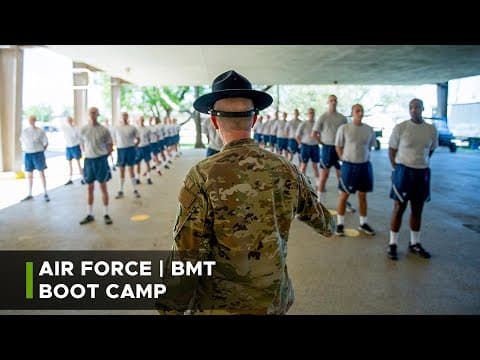
Air Force basic training focuses on mental endurance and technical expertise, lasting 7.5 weeks. This results in a score of 5 out of 10.
Air Force members do deploy, primarily from the air, but ground combat is less common. They receive a score of 5 out of 10.
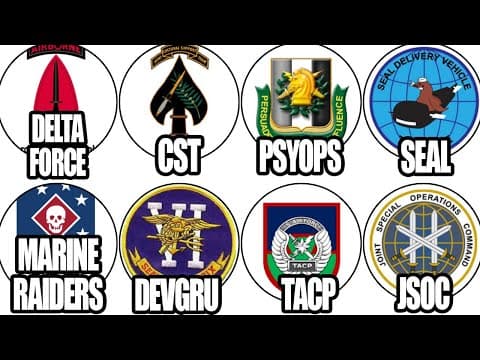
The Air Force has elite special warfare roles, including Pararescue and Combat Controllers, earning them a score of 9 out of 10.
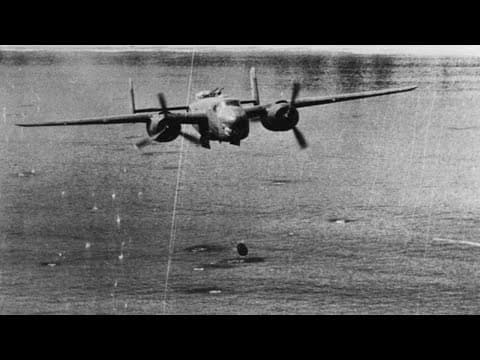
The Air Force has a significant historical impact on warfare, particularly through air strikes. They receive a score of 7 out of 10.
Total Toughness Score for Air Force: 6.2 out of 10
The Coast Guard's PT standards include swimming and flexibility tests, making their requirements more challenging. They receive a score of 6 out of 10.
Coast Guard basic training lasts 8 weeks and focuses on mental endurance and maritime operations, earning a score of 7 out of 10.
While not traditionally combat-focused, the Coast Guard engages in dangerous missions related to drug interdiction and rescue operations. They receive a score of 6 out of 10.
The Coast Guard has elite deployable specialized forces that conduct high-risk operations, earning a score of 7 out of 10.
The Coast Guard has participated in various missions throughout history, including anti-piracy efforts. They receive a score of 6 out of 10.
Total Toughness Score for Coast Guard: 6.4 out of 10
The Navy's PT requirements include swimming and rowing options, resulting in a score of 6 out of 10.
Navy basic training lasts 10 weeks and includes firefighting training and swimming tests, earning a score of 6 out of 10.
The Navy's combat is primarily naval, with sailors often engaging from ships. They receive a score of 5 out of 10.
The Navy SEALs are renowned for their elite training and missions, earning a score of 10 out of 10.
The Navy has a long history of pivotal naval battles and air strikes, receiving a score of 7 out of 10.
Total Toughness Score for Navy: 6.9 out of 10
The Army's Combat Fitness Test includes a variety of strength and endurance challenges, earning a score of 8 out of 10.
Army basic training lasts 10 weeks and is known for its intensity, especially for infantry training, earning a score of 7 out of 10.
The Army is frequently deployed and engages in ground combat, receiving a score of 9 out of 10.
The Army has elite units like the Green Berets and Delta Force, earning a score of 9 out of 10.
The Army has a storied history of combat, earning a score of 9 out of 10.
Total Toughness Score for Army: 8.8 out of 10
Marines face the toughest physical fitness standards, including rigorous tests and annual assessments, earning a score of 9 out of 10.
Marine basic training lasts 13 weeks and is known for its grueling nature, earning a score of 10 out of 10.
Marines are often the first to deploy and are trained for combat readiness, receiving a score of 10 out of 10.
The Marines have elite units like Force Recon, earning a score of 9 out of 10.
The Marine Corps has a reputation for aggressive combat and has led many significant battles, earning a score of 10 out of 10.
Total Toughness Score for Marines: 9.4 out of 10
Based on the evaluations, the Marines emerge as the toughest branch of the US military with a score of 9.4 out of 10, followed by the Army at 8.8 and the Navy at 6.9. Each branch has its unique strengths and challenges, but the Marines are recognized for their rigorous training and combat readiness.