In a high-stakes operation during the Iraq War, two SAS soldiers, Campbell and Griffiths, infiltrate Basra to gather intelligence on corrupt police forces. After being captured, a daring rescue mission unfolds, highlighting the complexities of military operations and the risks involved in combat zones.
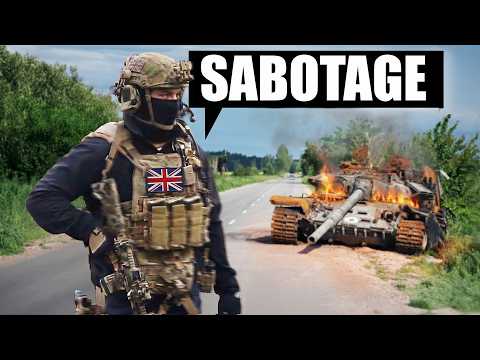
In the heart of Basra, Iraq, amidst a raging insurgency, a group of British soldiers faces one of the most dangerous missions of their careers. This blog post recounts the harrowing tale of two SAS soldiers, Campbell and Griffiths, who defy orders and risk everything to gather crucial intelligence on corrupt police forces in the city.
Basra, once relatively stable after the invasion, begins to crumble under the weight of insurgent activity. Coalition forces suspect that insurgents have infiltrated the local police, but they lack the evidence needed to act. The British military, particularly MI6 and the Special Air Service (SAS), is tasked with uncovering the extent of this corruption. The stakes are high; failure could mean the collapse of coalition efforts in Iraq.
To gather intelligence, the SAS decides to send two of their own undercover into the city. Campbell and Griffiths, trained in infiltration techniques, disguise themselves in local garb, complete with dyed hair and beards. Their mission is to tail a police chief suspected of collusion with insurgents, documenting his movements to build a case against him.
Despite their training, the mission is fraught with danger. The anti-western sentiment in Basra is palpable, fueled by propaganda from insurgents. The soldiers know that if they are discovered, they could face dire consequences, especially from the remnants of Saddam's regime who are eager to regain power.
After successfully tailing the police chief, Campbell and Griffiths attempt to return to their base. However, they encounter a police checkpoint where their identities are quickly questioned. In a desperate bid for survival, they reveal their true identities and claim to be British contractors. The situation escalates, leading to a violent confrontation where they are forced to open fire, resulting in the death of a police officer.
The SAS soldiers are captured and taken to Al Jameat police station, where they endure brutal beatings and interrogation. The local media sensationalizes their capture, broadcasting accusations of murder and calling for their execution. Meanwhile, British and American forces scramble to devise a rescue plan, knowing that time is of the essence.
As the situation deteriorates, a 20-man SAS team is dispatched from Baghdad, supported by American drones and helicopters. However, they face a significant obstacle: they lack permission to launch a rescue operation due to the potential for political fallout.
British leadership, wary of escalating tensions, opts for a diplomatic approach. Two British officers are sent to negotiate the release of the soldiers, but as they arrive, an angry mob has gathered outside the police station, complicating matters further.
Tensions rise as the crowd becomes increasingly hostile, throwing rocks and Molotov cocktails at British forces. The situation spirals out of control, leading to a firefight between British soldiers and the mob. Inside the police station, Major James Woodham advocates for the release of the SAS soldiers, but the Iraqi authorities refuse, insisting on a trial.
Major Rabia Siddique, an Arab-speaking British officer, attempts to negotiate the release but faces hostility from the crowd. As violence erupts outside, the situation becomes increasingly precarious for the SAS soldiers.
Just when it seems all hope is lost, a breakthrough occurs. The Iraqi judge agrees to release the soldiers if a signed letter from the Iraqi national government is provided. However, as the British scramble to secure this letter, armed insurgents infiltrate the police station, threatening the lives of Campbell and Griffiths.
In a surprising turn of events, British forces launch an unsanctioned raid on the police station, overwhelming the defenses and rescuing the SAS soldiers just in time. The operation is executed with precision, showcasing the bravery and skill of the British military.
The rescue of Campbell and Griffiths highlights the complexities and dangers of military operations in hostile environments. While the British leadership faced criticism for their initial decision to negotiate, the successful rescue operation ultimately saved the lives of two elite soldiers. This incident serves as a reminder of the sacrifices made by those in the line of duty and the unpredictable nature of warfare in Iraq.
In the end, the mission not only underscores the bravery of the SAS but also the intricate balance between military action and political considerations in conflict zones.