Remote controlled gun turrets are revolutionizing military technology, offering enhanced safety, accuracy, and efficiency compared to traditional manned systems. This blog explores the evolution, advantages, and implications of these unmanned weapon systems in modern warfare.
In the realm of military technology, few innovations have generated as much intrigue and concern as remote controlled gun turrets. While many technologies vie for attention, such as jetpacks and advanced rifles, remote controlled weapon systems (RWS) are quietly advancing towards what some might call super weapon status. This blog post delves into the evolution, advantages, and implications of these unmanned systems, highlighting why they deserve more recognition.
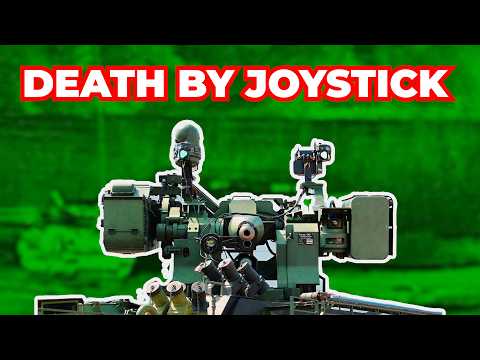
Remote controlled gun turrets are mounted on military vehicles and allow operators to control firearms from a safe distance. The transition from manned turrets to unmanned systems has been significant, with the first real remote weapon system, the Samson RWS from Israel, emerging in the 1980s. This innovation was driven by the need for enhanced soldier safety and operational effectiveness in urban combat scenarios.
Manned turrets present a complex trade-off between firepower and safety. Larger guns offer better firepower but increase the vehicle's weight and complexity. Conversely, smaller guns are easier to operate but lack the same impact. The introduction of unmanned turrets changes this dynamic significantly. By placing the operator inside the vehicle, the risk of exposure to enemy fire is greatly reduced.
One of the primary benefits of remote weapon systems is their superior maneuverability. Traditional gunners must manually traverse turrets, which can be slow and imprecise. In contrast, remote systems allow for quick adjustments using a joystick, enabling operators to engage targets with greater accuracy. The stabilization of the mounted arm holding the gun further enhances this capability, allowing for effective fire even while the vehicle is in motion.
Remote weapon systems are equipped with sophisticated targeting technologies, including ballistic computers, laser rangefinders, and thermal imaging. These systems automate many of the calculations required for accurate shooting, such as accounting for bullet drop and target movement. This means that operators can focus on aiming rather than complex calculations, making the systems incredibly efficient and effective in combat scenarios.
The use of thermal imaging and high-zoom cameras allows operators to identify targets in challenging conditions, such as low visibility or dense foliage. This capability was a game changer in conflicts like Desert Storm, where coalition forces could engage targets effectively at night while the enemy struggled to identify them.
The most recognized remote weapon system in use today is the Common Remotely Operated Weapon Station (CROWS), which has been deployed since 2004. Over 18,000 units have been fielded across various branches of the U.S. military, showcasing the widespread adoption of this technology. The CROWS system has evolved to include variants capable of firing Javelin missiles, further enhancing its versatility.
As military technology continues to advance, the focus is shifting towards fully unmanned turrets. These systems offer several advantages, including a smaller profile, which makes vehicles less vulnerable to enemy fire. Additionally, unmanned turrets utilize autoloaders, eliminating the need for crew training in loading ammunition. However, the reliability of these autoloaders remains a concern, as mechanical failures can render the system inoperable.
The trend towards unmanned systems is clear, with many new prototypes and vehicles being designed without manned turrets. This shift suggests that the future of military engagements may increasingly rely on remote-controlled weaponry, allowing for safer and more efficient operations. As technology continues to evolve, the concept of "death via joystick" may become a reality, fundamentally changing the landscape of warfare.
Remote controlled gun turrets represent a significant leap forward in military technology, offering enhanced safety, accuracy, and operational efficiency. As these systems continue to develop, they will likely play a crucial role in future conflicts, reshaping how wars are fought and how soldiers engage with threats on the battlefield. The implications of this technology are profound, and it is essential to consider both the advantages and the ethical concerns that accompany such advancements in warfare.