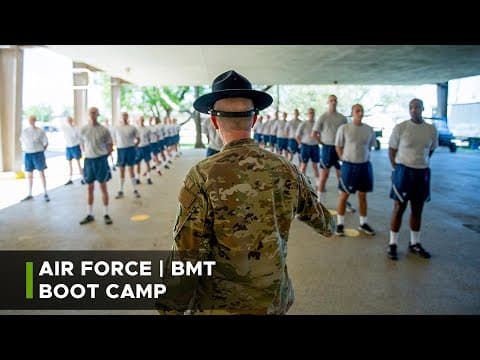
This blog post explores the intense transformation process that young men undergo during Marine Corps basic training at Paris Island, highlighting the psychological and physical challenges they face as they transition from civilians to soldiers.
In the heart of the Soviet Union, young men proudly serve in the army, standing guard at Lenin's tomb. Yet, had their grandparents immigrated to America, they might have donned a different uniform, serving in the U.S. Army with equal pride. This scenario reflects a universal truth: soldiers, regardless of their nationality, share a common bond shaped by their experiences and training.
Most soldiers, including those in the Soviet Army and the U.S. Marine Corps, have never faced the realities of war. However, at any given moment, around 20 wars are being fought globally, all led by individuals who have been trained to become soldiers away from the battlefield. The profession of a soldier is unique, requiring a transformation from civilian life to a mindset focused on killing and dying—an instinct that does not come naturally to humans.
The method of transforming young men into soldiers is known as basic training. This process is remarkably similar across the globe, as young men share more similarities than differences. The recruits arriving at the U.S. Marine Corps training base at Paris Island are a diverse group of 18-year-olds, yet they are about to undergo a profound change that will unify them under the identity of a soldier.
Recruits typically arrive at Paris Island in the early hours of the morning, marking the beginning of a grueling three-month journey. The essence of basic training is not merely to teach skills but to fundamentally change individuals so they can perform tasks they never imagined possible. This transformation occurs in an isolated environment where the only acceptable behavior aligns with military expectations, enforced through intense physical and mental pressure.
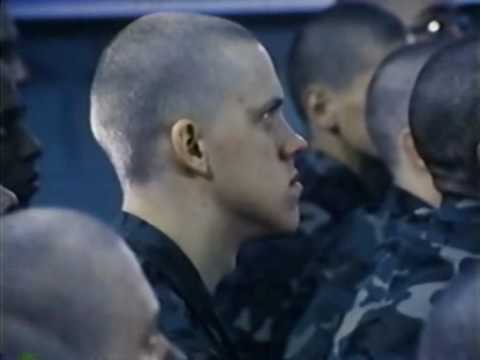
Upon arrival, recruits are stripped of their civilian identities. Their hair is cut, and they don uniforms that signify their new roles. This initial phase, known as recruit receiving, is crucial for processing them into the Marine Corps. The recruits are informed that they are entering a machine designed to produce soldiers, and they must embrace this identity to succeed.
As the recruits settle into their new lives, they begin their first day of training at 5:00 AM. They chant motivational slogans, reinforcing their commitment to becoming dedicated members of the Marine Corps. The training is designed to push them to their limits, both physically and mentally, preparing them for the harsh realities of combat.
Many instructors at Paris Island are Vietnam veterans who bring firsthand experience to the training process. They understand the psychological and physical demands placed on recruits and aim to instill a sense of discipline and readiness. The training methods may seem extreme, but they serve a purpose: to prepare recruits for the unpredictability of war.
The transformation process can feel like a nightmare version of summer camp for recruits. However, every aspect of their training is intentional, aimed at preparing them for combat scenarios. Instructors emphasize the importance of automatic responses to stressful situations, akin to how one reacts at a stop sign without conscious thought. This conditioning is vital for survival in combat.
Instructors often refer to their ability to motivate and influence recruits as a form of brainwashing. This term, while controversial, highlights the intense psychological conditioning that occurs during training. Recruits are taught to follow orders without question, ensuring they can perform under pressure when it matters most.
The journey from civilian to soldier is a profound transformation that requires immense dedication and resilience. The rigorous training at Paris Island is designed to forge young men into elite members of the Marine Corps, instilling in them the skills and mindset necessary for combat. As they navigate this challenging process, recruits learn not only about military tactics but also about themselves, emerging as individuals ready to serve their country with honor and pride.